Bill · H.Res. 1327· House(119-HRES-1327)
Supporting the designation of May 2026 as "Borderline Personality Disorder Awareness Month".
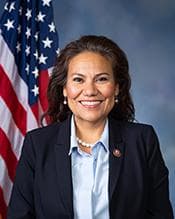
- Introduced
- 5/29/2026
- Last activity
- 5/29/2026 — Referred to the House Committee on Oversight and Government Reform.
- Sponsored by
- Veronica Escobar
- Cosponsors
- - 0 - 1
- Introduced
- In Committee
A House resolution is the House speaking for itself: stating a position, honouring someone, or setting its own rules. Adopting it is the whole process. Once the House agrees to it, it is officially the House's word; it is not a law, so the Senate and the President have no part in it.
What this bill would do
This resolution supports designating May 2026 as "Borderline Personality Disorder Awareness Month." It highlights that BPD is a serious mental health condition affecting millions of United States citizens and their families. The text notes that the condition can lead to dangerous behaviors, suicide attempts, and co-occurring disorders. It also points out that BPD has historically lacked sufficient public awareness, research, and funding. Finally, the resolution emphasizes that individuals with BPD can experience recovery through evidence-based support and calls for increased awareness among the public and professionals.
Yes· 3 of 4
Does this make mental health care easier to get?+5
The resolution calls for increased awareness, research, and funding to address gaps in healthcare access for those with BPD.
Does this make health care easier to get in general?+5
The text advocates for promoting accessible treatment and addressing barriers to care through increased education and funding.
Does this put more money into medical research?+5
The resolution emphasizes that BPD has historically received insufficient research funding and promotes its increase.
The opposite
No question was scored the opposite.
Who it would affect, and how
Potential Positive Impacts for People
-
Increased Awareness and Understanding: By designating a specific month, the resolution aims to increase awareness among individuals living with Bs, their families, caregivers, mental health professionals, policymakers, and the general public.
-
Improved Treatment and Recovery: The text states that many individuals can experience significant improvement and recovery through compassionate, evidence-based support, which can help them lead fulfilling lives and reduce suffering.
-
Stigma Reduction: The resolution notes that individuals face disproportionately high levels of stigma, and increased awareness is intended to help reduce this stigma to improve the quality and accessibility of care.
-
Advancement of Care and Research: The resolution suggests that promoting education, research, and funding can help address gaps in healthcare access and the lack of available effective treatment in many regions.
Potential Negative Impacts for People
- No negative impacts or burdens are explicitly stated in the text.
Groups and Interests Ranking
Every group the model scored this bill for, from -10 to +10. Hover a score for the reason it gave.
- Healthcare
- Improves Healthcare Access+5Improves Mental Health Access+5Increases Research Funding+5
- Demographic And Interest Groups
- Good For People With Disabilities+5
- 5/29/2026
- Submitted in House
- Referred to the House Committee on Oversight and Government Reform.
- 1 Cosponsor added.
 Brian Fitzpatrick
Republican · Pennsylvania