Bill · H.Res. 1325· House(119-HRES-1325)
Expressing support for May 2026 as "American Stroke Month" and encouraging all to learn the warning signs of stroke, understand their personal risk factors, and take action to improve stroke prevention, response, and recovery in our communities.
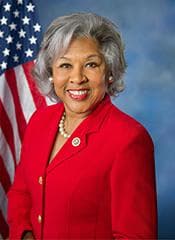
- Introduced
- 5/29/2026
- Last activity
- 5/29/2026 — Referred to the House Committee on Energy and Commerce.
- Sponsored by
- Joyce Beatty
- Cosponsors
- - 1 - 0
- Introduced
- In Committee
A House resolution is the House speaking for itself: stating a position, honouring someone, or setting its own rules. Adopting it is the whole process. Once the House agrees to it, it is officially the House's word; it is not a law, so the Senate and the President have no part in it.
What this bill would do
This resolution expresses support for designating May 2026 as ``American Stroke Month.'' It aims to encourage people to learn the warning signs of a stroke and understand their personal risk factors. The resolution also encourages taking action to improve stroke prevention, response, and recovery within communities. It highlights that stroke is a leading cause of death and long-term disability in the United States. Additionally, it notes the importance of recognizing symptoms and seeking immediate help to reduce risks.
Yes· 3 of 16
Would people over 65 be better off under this?+4
The resolution addresses stroke prevention and recognition, which are critical health concerns for older populations.
Would retired people be better off under this?+4
The resolution targets the prevention of stroke-related disability, a major concern for the retired population.
Would people in middle age be better off under this?+3
The resolution provides information on managing lifestyle risks like blood pressure and tobacco use which are critical throughout middle age.
The opposite
No question was scored the opposite.
Who it would affect, and how
Potential Positive Impacts for People
-
Increased Awareness of Warning Signs: The resolution promotes the B.E. F.A.S.T. acronym (Balance loss, Eye or vision changes, Face drooping, Arm weakness, Speech difficulty, and Time to call 911) to help people recognize symptoms and call 911 quickly, which can reduce death and disability.
-
Improved Risk Management: By encouraging individuals to understand personal risk factors and work with health care professionals, the resolution aims to help prevent future strokes.
-
Emphasis on Prevention: The text highlights that managing high blood pressure and making healthy lifestyle choices, such as eating well and not using tobacco or nicotine, can significantly reduce stroke risk.
Potential Negative Impacts for People
- No negative impacts are identified in the provided text.
Groups and Interests Ranking
Every group the model scored this bill for, from -10 to +10. Hover a score for the reason it gave.
- Demographic And Interest Groups
- Good For Retirees+4Good For Seniors+4Good For Middle Aged+3Good For People With Disabilities+3Good For African Americans+2Good For Asian Americans+2Good For Hispanic Americans+2Good For Low Income Households+2Good For Men+2Good For Middle Class Households+2Good For Native Americans+2Good For Rural Residents+2Good For Veterans+2Good For White Americans+2Good For Women+2
- Healthcare
- Improves Healthcare Access+3
- 5/29/2026
- Submitted in House
- Referred to the House Committee on Energy and Commerce.
- 1 Cosponsor added.
 Steve Cohen
Democrat · Tennessee