Bill · H.Res. 1308· House(119-HRES-1308)
Designating May 2026 as "National Wildfire Preparedness Month".
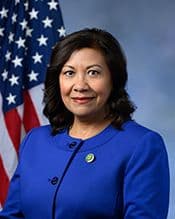
- Introduced
- 5/20/2026
- Last activity
- 5/20/2026 — Referred to the House Committee on Natural Resources.
- Sponsored by
- Norma Torres
- Cosponsors
- - 0 - 2
- Introduced
- In Committee
A House resolution is the House speaking for itself: stating a position, honouring someone, or setting its own rules. Adopting it is the whole process. Once the House agrees to it, it is officially the House's word; it is not a law, so the Senate and the President have no part in it.
What this bill would do
This resolution designates May 2026 as "National Wildfire Preparedness Month." It highlights the increasing scale, complexity, and severity of wildfires across the United States. The text notes that fire seasons are lengthening and that wildfires are appearing in new regions. It also addresses the high costs of fire suppression and damage, as well as the health risks faced by firefighters and the general public. Finally, the resolution encourages increased awareness and preparedness at various levels of government and within communities.
Yes· 3 of 9
Would people in rural areas be better off under this?+5
The resolution addresses wildfire risks that are increasingly threatening various regions of the United States, including areas with high fire risk.
Does this better protect public land such as parks and forests?+5
The resolution calls for increased preparedness and land management practices to handle wildfire risks.
Does this better protect air, water and wildlife?+4
The resolution encourages land management practices and vegetation control to mitigate the impact of wildfires.
The opposite
No question was scored the opposite.
Who it would affect, and how
Potential Positive Impacts for People
-
Increased awareness and knowledge: The designation aims to increase awareness of wildfire threats and knowledge of lifesaving and fire mitigation practices (Resolution, Section 1 and 2).
-
Promotion of preparedness: The resolution supports educational initiatives and community programming to increase overall knowledge and preparedness (Resolution, Section s/Whereas clause).
-
Enhanced community resilience: It supports resources that communicate preventative measures such as home hardening, land management practices to remove flammable vegetation, and enhancing early warning systems (Resolution, Section 3).
-
Improved safety during emergencies: The resolution emphasizes the importance of planning for the safe and efficient evacuation of people and their animals (Resolution, Section 3).
-
Health protection: It highlights the need to reduce adverse health impacts from smoke and fire exposure, which can include asthma attacks, heart attacks, and strokes (Resolution, Whereas clause).
Potential Negative Impacts for People
- No specific negative impacts or burdens are explicitly mentioned in the text.
Groups and Interests Ranking
Every group the model scored this bill for, from -10 to +10. Hover a score for the reason it gave.
- Demographic And Interest Groups
- Good For Rural Residents+5Good For Native Americans+3Good For Low Income Households+2Good For Veterans+1
- Environment Energy And Infrastructure
- Improves Public Land Management+5Improves Environmental Protections+4
- Economy And Finance
- Improves Fiscal Responsibility+3
- Healthcare
- Improves Healthcare Access+2
- Social Issues And Justice
- Improves Poverty Reduction+1
- 5/20/2026
- Submitted in House
- Referred to the House Committee on Natural Resources.
- 2 Cosponsors added.
3 bills Congress.gov lists as related to this one — companions in the other chamber, earlier versions, and bills this one absorbed or was folded into.
 Jay Obernolte
Republican · California
 David Valadao
Republican · California