Bill · H.Res. 1298· House(119-HRES-1298)
Supporting the goals and ideals of "National Charter Schools Week", to be observed from May 10 through May 16, 2026.
- Introduced
- 5/15/2026
- Last activity
- 5/15/2026 — Referred to the House Committee on Education and Workforce.
- Sponsored by
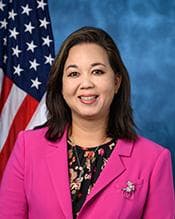
- Jill Tokuda
- Cosponsors
- - 0 - 1
- Introduced
- In Committee
A House resolution is the House speaking for itself: stating a position, honouring someone, or setting its own rules. Adopting it is the whole process. Once the House agrees to it, it is officially the House's word; it is not a law, so the Senate and the President have no part in it.
What this bill would do
This resolution supports the goals and ideals of "National Charter Schools Week," which is scheduled for May 10 through May 16, 2026. The House of Representatives intends to congratulate the students, families, teachers, leaders, and staff of public charter schools for their contributions to public education. It further recognizes the role of charter schools in closing academic achievement gaps in rural and urban communities. The resolution supports the mission of National Charter Schools Week. Finally, it encourages the American people to host programs, ceremonies, and activities during this week to show support for public charter schools.
Yes· 3 of 9
Does this make it easier to use public money at a school other than the local one?+5
The resolution explicitly highlights that charter schools give parents the freedom to choose their public school options.
Would children be better off under this?+4
The resolution highlights increased student achievement and higher attendance rates for students.
Would households on low incomes be better off under this?+3
The text cites specific learning gains in reading and math for students from low-income backgrounds in charter schools.
The opposite
No question was scored the opposite.
Who it would affect, and how
Potential Positive Impacts for People
-
Academic Success and Achievement: The text notes that high-performing charter schools challenge students to reach their potential for academic success and increase student achievement and attendance rates at institutions of higher education (Whereas clauses).
-
Educational Options and Freedom: Charter schools provide millions of families with diverse and innovative educational options and give parents the freedom to choose public schools (Whereas clauses).
-
Support for Low-Income Students: A report cited in the text found significant improvements for students from low-income backgrounds in public charter schools, specifically noting equivalent gains in reading and math learning days (Whereas clauses).
-
Community and System Improvement: The resolution congratulates charter school staff for making strides in closing the academic achievement gap and for strengthening the public school system throughout the United States (Resolution clause 1).
Potential Negative Impacts for People
- Enrollment Limitations: The text mentions that demand for enrollment can outmatch the supply of available seats, which leads to the use of lotteries for student enrollment (Whereas clauses).
Groups and Interests Ranking
Every group the model scored this bill for, from -10 to +10. Hover a score for the reason it gave.
- Demographic And Interest Groups
- Good For Children+4Good For Low Income Households+3Good For African Americans+2Good For Rural Residents+2Good For Urban Residents+2
- Education And Technology
- Improves School Choice+5Increases Public School Funding+1
- Social Issues And Justice
- Improves Racial Equity+3Improves Poverty Reduction+2
- 5/19/2026
- 1 Cosponsor added.
- 5/15/2026
- Submitted in House
- Referred to the House Committee on Education and Workforce.
One bill Congress.gov lists as related to this one — companions in the other chamber, earlier versions, and bills this one absorbed or was folded into.
 Juan Ciscomani
Republican · Arizona