Bill · H.Res. 1241· House(119-HRES-1241)
Of inquiry requesting the President of the United States to furnish certain information to the House of Representatives relating to access to and usage of NUMIDENT, death information, and other personally identifiable information in the possession of the Social Security Administration by an individual acting for or on behalf of the Department of Government Efficiency.
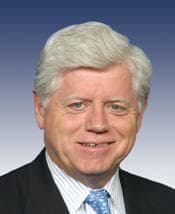
- Introduced
- 4/30/2026
- Last activity
- 4/30/2026 — Referred to the House Committee on Ways and Means.
- Sponsored by
- John Larson
- Cosponsors
- - 17 - 0
- Introduced
- In Committee
A House resolution is the House speaking for itself: stating a position, honouring someone, or setting its own rules. Adopting it is the whole process. Once the House agrees to it, it is officially the House's word; it is not a law, so the Senate and the President have no part in it.
What this bill would do
This resolution is an inquiry requesting that the President provide specific information to the House of Representatives. It focuses on the access to and usage of Social Security Administration data, including NUMIDENT and death information. The inquiry specifically targets actions by an individual acting for or on behalf of the Department of Government Efficiency. It seeks records regarding data duplicated onto personal electronic devices. Additionally, it requests information about sharing this data with private sector employers. Finally, it asks for statements regarding expectations of presidential pardons related to these actions.
Yes· 3 of 5
Does this protect people from being watched or searched?+4
The inquiry aims to investigate the potential unauthorized duplication and sharing of personally identifiable information onto personal devices.
Does this make what the government does easier for the public to see?+3
The resolution requests specific documents, audit logs, and correspondence to increase oversight of government data handling.
Would households on low incomes be better off under this?+2
Protecting Social Security data helps safeguard the sensitive personal information of many low-income households.
The opposite
No question was scored the opposite.
Who it would affect, and how
Potential Positive Impacts for People
-
Increased Accountability: The resolution requests documents, audit logs, and correspondence to investigate whether an individual acting for the Department of Government Efficiency duplicated sensitive information onto personal devices. This could help ensure that personal data is handled according to the law. (Resolution Section 1)
-
Protection of Sensitive Information: By investigating efforts to share Social Security information with private sector employers, the resolution seeks to uncover potential mishandling of personally identifiable information. (Resolution Section 2)
-
Transparency Regarding Legal Risks: The request for statements regarding expectations of presidential pardons may provide clarity on whether individuals felt their actions regarding sensitive data might be illegal. (Resolution Section 3)
Potential Negative Impacts for People
- No specific negative impacts are explicitly mentioned in the text provided.
Groups and Interests Ranking
Every group the model scored this bill for, from -10 to +10. Hover a score for the reason it gave.
- Governance And Ideology
- Improves Privacy Rights+4Improves Government Transparency+3
- Demographic And Interest Groups
- Good For Low Income Households+2Good For Retirees+2
- Social Issues And Justice
- Improves Social Security+2
- 4/30/2026
- Submitted in House
- Referred to the House Committee on Ways and Means.
- 17 Cosponsors added.
 Donald Beyer
Democrat · Virginia
 Brendan Boyle
Democrat · Pennsylvania
 Judy Chu
Democrat · California
 Danny Davis
Democrat · Illinois
 Lloyd Doggett
Democrat · Texas
 Suzan DelBene
Democrat · Washington
 Dwight Evans
Democrat · Pennsylvania
 Jimmy Gomez
Democrat · California
 Steven Horsford
Democrat · Nevada
 Gwen Moore
Democrat · Wisconsin
 Richard Neal
Democrat · Massachusetts
 Jimmy Panetta
Democrat · California
 Linda Sánchez
Democrat · California
 Terri Sewell
Democrat · Alabama
 Bradley Schneider
Democrat · Illinois
 Thomas Suozzi
Democrat · New York
 Mike Thompson
Democrat · California