Bill · H.Res. 1173· House(119-HRES-1173)
Expressing support for the designation of April 2026 as "Second Chance Month".
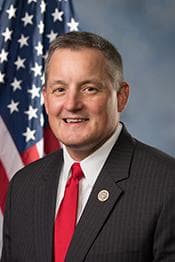
- Introduced
- 4/14/2026
- Last activity
- 4/14/2026 — Referred to the House Committee on the Judiciary.
- Sponsored by
- Bruce Westerman
- Cosponsors
- - 4 - 6
- Introduced
- In Committee
A House resolution is the House speaking for itself: stating a position, honouring someone, or setting its own rules. Adopting it is the whole process. Once the House agrees to it, it is officially the House's word; it is not a law, so the Senate and the President have no part in it.
What this bill would do
This resolution expresses support for designating April 2026 as "Second Chance Month." It highlights the legal and societal barriers, known as collateral consequences, that individuals face after returning from Federal and State prisons. The text notes that these barriers affect employment, education, and housing. The resolution aims to increase public awareness regarding these impacts and the need for closure for those who have paid their debt. Additionally, it honors the efforts of various groups to remove barriers that prevent people from becoming productive members of society.
Yes· 3 of 9
Does this narrow racial gaps in how people are treated?+3
The resolution highlights that collateral consequences particularly impact underserved communities of color.
Is this likely to lift people out of poverty?+3
By addressing employment and housing barriers, the resolution seeks to improve economic mobility and well-being for families.
Would households on low incomes be better off under this?+3
The resolution targets barriers affecting economic mobility and family well-being which often impact low-income households.
The opposite
No question was scored the opposite.
Who it would affect, and how
Potential Positive Impacts for People
-
Increased Public Awareness: The designation of "Second Chance Month" may contribute to increased public awareness regarding the impact of collateral consequences and the need for closure for individuals with a criminal record who have paid their debt. (Resolution, Section 2, Clause 1)
-
Community Support and Opportunity: The resolution calls for actions that provide opportunities for individuals, employers, congregations, and communities to extend second chances. (Resolution, Section 2, Clause 1)
-
Removal of Barriers: The resolution honors the work of communities, governmental institutions, nonprofit organizations, congregations, employers, and individuals to remove unnecessary legal and societal barriers that prevent individuals with criminal records from becoming productive members of society. (Resolution, Clause 2)
Potential Negative Impacts for People
- No negative impacts are explicitly identified in the text.
Groups and Interests Ranking
Every group the model scored this bill for, from -10 to +10. Hover a score for the reason it gave.
- Social Issues And Justice
- Improves Poverty Reduction+3Improves Racial Equity+3Improves Affordable Housing+2Improves Criminal Sentencing Reform+2
- Demographic And Interest Groups
- Good For African Americans+3Good For Low Income Households+3
- Economy And Finance
- Increases Job Creation+3Improves Small Business Support+2
- Education And Technology
- Improves College Affordability+2
- 4/27/2026
- 3 Cosponsors added.
- 4/14/2026
- Submitted in House
- Referred to the House Committee on the Judiciary.
- 7 Cosponsors added.
3 bills Congress.gov lists as related to this one — companions in the other chamber, earlier versions, and bills this one absorbed or was folded into.
 Don Bacon
Republican · Nebraska
 Troy Carter
Democrat · Louisiana
 Danny Davis
Democrat · Illinois
 Daniel Goldman
Democrat · New York
 Carol Miller
Republican · West Virginia
 Lucy McBath
Democrat · Georgia
 Barry Moore
Republican · Alabama
 LaMonica McIver
Democrat · New Jersey
 John Rutherford
Republican · Florida
 Robert Scott
Democrat · Virginia