Bill · H.Res. 1026· House(119-HRES-1026)
Condemning the violent disruption of a religious worship service at Cities Church in St. Paul, Minnesota, reaffirming the constitutional right to religious freedom, and commending the Department of Justice for its prompt investigation.
- Introduced
- 1/30/2026
- Last activity
- 1/30/2026 — Referred to the House Committee on the Judiciary.
- Sponsored by
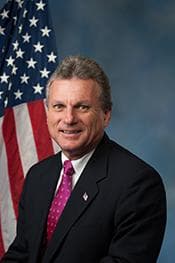
- Earl Carter
- Cosponsors
- None
- Introduced
- In Committee
A House resolution is the House speaking for itself: stating a position, honouring someone, or setting its own rules. Adopting it is the whole process. Once the House agrees to it, it is officially the House's word; it is not a law, so the Senate and the President have no part in it.
What this bill would do
This resolution condemns a violent disruption that occurred during a worship service at Cities Church in St. Paul, Minnesota, on January 18, 2026. It reaffirms that the free exercise of religion is a fundamental constitutional right protected from violence and intimidation. The text specifically calls out Don Lemon for his participation in the disturbance of the service. Additionally, the resolution recognizes that such actions may violate the Freedom of Access to Clinic Entrances Act. Finally, it commends the Department of Justice for its prompt investigation into the incident.
Yes
Does this protect the freedom to practise a religion?+8
The resolution explicitly protects the right of individuals to worship freely without fear of disruption or violence.
Does this change how police departments operate?+2
The resolution commends the Department of Justice for its prompt investigation into the disruption of a religious service.
Does this make what the government does easier for the public to see?+2
The resolution highlights the role of federal law enforcement in investigating civil rights violations.
The opposite
Does this protect the individual right to speak freely?-3
The resolution clarifies that certain types of disruptive conduct and physical obstruction are not protected speech under the First Amendment.
Who it would affect, and how
Potential Positive Impacts for People
-
Protection of Religious Liberty: The resolution affirms that the free exercise of religion is a fundamental right that must be protected from intimidation, obstruction, and violence (Section 2).
-
Upholding the Rule of Law: By declaring that targeting houses of worship is an attack on religious liberty and the rule of law, the resolution reinforces legal protections for worshipers (Section 3).
-
Accountability for Disruptive Conduct: The resolution condemns the participation of Don Lemon in the disruption, addressing the abuse of public influence (Section 5).
-
Encouragement of Law Enforcement: The resolution commends the Department of Justice for its prompt investigation and calls for the full enforcement of the FACE Act and other federal statutes (Section 6).
-
Safety for Worshipers: The resolution urges authorities at all levels to ensure Americans can worship freely and safely without fear of violence or disruption (Section 7).
Potential Negative Impacts for People
- Criminal Penalties and Legal Consequences: The resolution notes that the actions taken during the incident may constitute violations of the Freedom of Access to Clinic Entrances Act (18 U.S.C. 248) and other federal civil rights laws (Section 4).
Groups and Interests Ranking
Every group the model scored this bill for, from -10 to +10. Hover a score for the reason it gave.
- Social Issues And Justice
- Improves Religious Freedom+8Improves Policing Reform+2
- Governance And Ideology
- Improves Government Transparency+2Improves Freedom Of Speech-3
- 1/30/2026
- Submitted in House
- Referred to the House Committee on the Judiciary.