Bill · H.R. 9993· House(119-HR-9993)
Rise Up for Child Care Act of 2026
- Introduced
- 7/30/2026
- Last activity
- 7/30/2026 — Referred to the House Committee on Ways and Means.
- Sponsored by
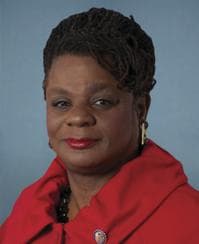
- Gwen Moore
- Cosponsors
- None
- Introduced
- In Committee
What this bill would do
The Rise Up for Child Care Act of 2026 aims to increase the availability and affordability of child care while investing in home-based providers. It proposes transforming child care into an entitlement by requiring states to guarantee services to current and former assistance recipients. The bill removes certain state caps on funding and establishes an open-ended entitlement system. Additionally, it creates a specific matching rate for states looking to supplement wages and benefits for home-based child care workers. Finally, it mandates a study on the effects of these wage supplements.
Yes· 3 of 9
Does this make child care cost less?+9
The bill guarantees child care services and provides wage support for providers to increase supply and affordability.
Would children be better off under this?+8
The bill directly increases the availability and affordability of child care services.
Would households on low incomes be better off under this?+8
The guarantee provides a critical safety net for those currently receiving or recently exiting assistance programs.
The opposite· 3 of 4
Does this leave more decisions to the states?-5
The bill limits state discretion by mandating a child care guarantee and eliminating state funding caps.
Does this reduce what the federal government owes?-3
The bill creates an open-ended entitlement which increases long-term federal spending commitments.
Does this reduce what the federal government spends?-3
The bill expands federal spending through new entitlement guarantees and matching rates.
Who it would affect, and how
Potential Positive Impacts for People
-
Guaranteed Child Care Services: Under Section 2(a)(1), states would be required to guarantee child care services to each recipient of assistance under certain state programs and to individuals who have left those programs for up to 24 months. This provides a safety net for families transitioning out of assistance.
-
Support for Home-Based Providers: Section 2(d)(1) establishes a 75 percent matching rate for state expenditures intended to supplement the wages and benefits of people working for child care providers in home-sittings. This is designed to support the income of home-based workers.
-
Increased Funding Flexibility: Section 2(b) eliminates certain state caps, and Section 2(c)(1) changes the language to ensure that the provision of child care is not subject to specific appropriation limits in the same way previously required.
Potential Negative Impacts for People
- No specific negative impacts are explicitly detailed in the provided text.
Groups and Interests Ranking
Every group the model scored this bill for, from -10 to +10. Hover a score for the reason it gave.
- Demographic And Interest Groups
- Good For Children+8Good For Low Income Households+8Good For Women+5
- Social Issues And Justice
- Improves Childcare Affordability+9Improves Poverty Reduction+5
- Education And Technology
- Increases Scientific Research Funding+5
- Economy And Finance
- Improves Small Business Support+5Reduces Government Spending-3Reduces National Debt-3Improves Fiscal Responsibility-2
- Healthcare
- Increases Research Funding+3
- Governance And Ideology
- Increases Federal Power+6Increase States Rights-5
- 7/30/2026
- Referred to the House Committee on Ways and Means.
- Introduced in House