Bill · H.R. 9981· House(119-HR-9981)
Foodborne Illness Rapid Response Act
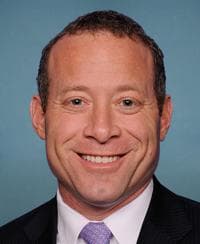
- Introduced
- 7/30/2026
- Last activity
- 7/30/2026 — Referred to the House Committee on Energy and Commerce.
- Sponsored by
- Josh Gottheimer
- Cosponsors
- - 0 - 1
- Introduced
- In Committee
What this bill would do
This bill, titled the "Foodborne Illness Rapid Response Act," aims to protect certain divisions within the Centers for Disease Control and Prevention. It prohibits the Secretary from carrying out staffing reduction efforts for specific divisions during a certain timeframe. This prohibition applies for one year following a multi-state or nationally significant foodborne illness outbreak. The restriction covers divisions responsible for the surveillance of foodborne diseases and the response to foodborne illness outbreaks. A staffing reduction effort is defined as any action, including reorganizations, that removes 1 percent or more of the total employees in those divisions within a 60-day period.
Yes· 3 of 10
Does this make the country readier for the next outbreak?+4
The bill strengthens the response capacity for foodborne illness outbreaks, a form of epidemic.
Does this give people more protection from unfair business practices?+3
Ensuring CDC surveillance protects consumers from foodborne illness outbreaks.
Does this improve help for people hit by a disaster?+2
Strengthening CDC response capabilities mimics disaster relief functionality for public health crises.
The opposite
Does this reduce what the federal government spends?-1
The bill may slightly increase or maintain spending by preventing staff reductions during critical periods.
Who it would affect, and how
Potential Positive Impacts for People
-
Maintains critical response capabilities: By preventing the removal of 1 percent or more of employees in specific divisions during the year following a significant outbreak, the bill ensures that divisions responsible for surveillance and outbreak response remain staffed (Section 2, subsection d, 1).
-
Protects agency expertise during crises: The prohibition on staffing reduction efforts, including reorganizations, helps ensure that the personnel responsible for foodborne disease surveillance are not reduced during critical periods (Section 2, subsection d, 2).
Potential Negative Impacts for People
- No specific negative impacts are mentioned in the provided text.
Groups and Interests Ranking
Every group the model scored this bill for, from -10 to +10. Hover a score for the reason it gave.
- Healthcare
- Improves Pandemic Preparedness+4Improves Healthcare Access+1
- Demographic And Interest Groups
- Good For Children+1Good For Low Income Households+1Good For Seniors+1Good For Union Workers+1
- Economy And Finance
- Improves Consumer Protection+3Reduces Government Spending-1
- Environment Energy And Infrastructure
- Improves Disaster Relief And F E M A+2
- Education And Technology
- Increases Scientific Research Funding+1
- Governance And Ideology
- Increases Federal Power+1
- 7/30/2026
- Referred to the House Committee on Energy and Commerce.
- 1 Cosponsor added.
- Introduced in House
 Don Bacon
Republican · Nebraska