Bill · H.R. 9971· House(119-HR-9971)
Advancing International and Foreign Language Education Act
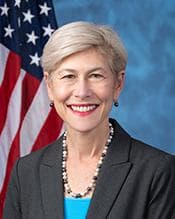
- Introduced
- 7/27/2026
- Last activity
- 7/27/2026 — Referred to the House Committee on Education and Workforce.
- Sponsored by
- Deborah Ross
- Cosponsors
- - 2 - 0
- Introduced
- In Committee
What this bill would do
The Advancing International and Foreign Language Education Act aims to reauthorize title VI of the Higher Education Act of 1965. It focuses on improving and encouraging innovation in international education through research and specialized programs. The bill expands language study options for graduate students and establishes new provisions for international research and innovation. It also introduces global business and professional education programs to meet national needs. Additionally, the act creates a framework for professional and technical education to boost global competitiveness.
Yes· 3 of 19
Would students be better off under this?+5
The bill directly expands educational opportunities, research, and professional skills for students.
Would people in their twenties and thirties be better off under this?+4
It enhances educational and career opportunities for undergraduate and graduate students.
Does this narrow racial gaps in how people are treated?+4
The bill provides support for minority-serving institutions and underrepresented populations.
The opposite
No question was scored the opposite.
Who it would affect, and how
Potential Positive Impacts for People
-
Enhanced Graduate Study Options: Students can now include the study of a foreign language related to their area of specialization as part of their graduate and undergraduate programs (Section 2).
-
Support for International Research: The bill authorizes research and studies to help the United States understand its capacity for international and foreign language education (Section 3, SEC. 605(c)(1)(A)).
-
Creation of Specialized Learning Materials: The act allows for the development of specialized materials for studies in foreign languages, area studies, and international business (Section 3, SEC. 605(d)(3)).
-
Increased Educational Accessibility: Innovation projects can include collaborations between established excellence centers and underrepresented institutions like community colleges (Section 3, SEC. 605(e)(2)(B)(ii)).
-
Global Career Readiness: Students in professional and technical fields can access programs designed to provide global competencies, perspectives, and skills (Section 3, SEC. 613(a)).
-
Support for Diverse Student Populations: Funding may be used for student fellowships and support opportunities for underrepresented populations, first-generation students, and heritage students (Section 3, SEC. 613(e)(2)(B)).
-
Financial Flexibility for Institutions: The Secretary has the authority to waive or reduce the required non-Federal share for minority-serving institutions and community colleges (Section 3, SEC. 605(g)(3) and SEC. 613(f)(4)).
Potential Negative Impacts for People
-
Requirement for Non-Federal Funding: Entities receiving grants must provide a non-Federal share of at least 33 1/3 percent of the total cost (Section 3, SEC. 605(g)(2)).
-
Strict Funding Limits for Professional Training: Under the professional and technical education section, the Federal share cannot exceed 50 percent, meaning institutions must provide the remaining half (Section 3, SEC. 613(f)).
-
Funding Growth Constraint: The Secretary is only authorized to award grants under the professional and technical education section if the total funding for the title is greater than it was in fiscal year 2027 (Section 3, SEC. 613(g)).
Groups and Interests Ranking
Every group the model scored this bill for, from -10 to +10. Hover a score for the reason it gave.
- Demographic And Interest Groups
- Good For Students+5Good For Young Adults+4Good For African Americans+3Good For Hispanic Americans+3Good For Low Income Households+3Good For Asian Americans+2Good For Business Owners+2Good For Immigrants+2Good For Middle Aged+2Good For Native Americans+2Good For Middle Class Households+1
- Education And Technology
- Increases Scientific Research Funding+3Improves College Affordability+2
- National Security And Foreign Policy
- Improves International Trade+3Improves International Alliances+2
- Social Issues And Justice
- Improves Racial Equity+4
- Economy And Finance
- Improves Economic Growth+3
- Governance And Ideology
- Improves Government Transparency+1Increases Federal Power+1
- 7/27/2026
- Referred to the House Committee on Education and Workforce.
- 2 Cosponsors added.
- Introduced in House
 Valerie Foushee
Democrat · North Carolina
 Jimmy Panetta
Democrat · California