Bill · H.R. 9923· House(119-HR-9923)
Biotechnology Diplomacy and Expertise Enhancement Act of 2026
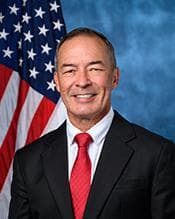
- Introduced
- 7/23/2026
- Last activity
- 7/23/2026 — Referred to the House Committee on Foreign Affairs.
- Sponsored by
- James Moylan
- Cosponsors
- - 1 - 3
- Introduced
- In Committee
What this bill would do
The Biotechnology Diplomacy and Expertise Enhancement Act of 2026 aims to expand the Regional Technology Officer Program to include biotechnology expertise. It directs the Secretary to establish hiring directives for experts to serve as diplomatic assets. These officers will receive specialized training in areas such as gene editing, biosecurity, and international regulations. The goal is to advance United States leadership in biotechnology and biomanufacturing innovation. The Act also requires the Secretary of State to develop a comprehensive recruitment strategy and an implementation plan. Finally, it provides an exemption from hiring freezes to ensure these specific personnel can be employed.
Yes· 3 of 6
Does this strengthen ties with allied countries?+5
The act aims to foster international collaboration and strategic biotechnology partnerships.
Does this make trade with other countries easier?+5
The bill directs officers to negotiate biotechnology-related trade agreements to advance U.S. leadership.
Does this put more money into scientific research?+4
The bill supports the protection and advancement of sensitive biotechnology research.
The opposite
No question was scored the opposite.
Who it would affect, and how
Potential Positive Impacts for People
-
Strengthening National Security: The training of Regional Technology Officers is intended to serve as a critical asset in strengthening national security through biotechnology expertise (Section 2, subsection d, paragraph 1).
-
Advancing Innovation and Leadership: The bill aims to promote United States leadership in biotechnology and biomanufacturing innovation in international forums and partnerships (Section 2, subsection d, paragraph 2, subparagraph A).
-
Promoting Democratic Values: The program seeks to work with various partners to increase the deployment of biotechnology in support of democratic values (Section 2, subsection d, paragraph 2, subparagraph B).
-
Ensuring Responsible Use of Technology: The training includes a focus on the responsible use and secure international transfer of biotechnologies (Section 2, subsection d, paragraph 2, subparagraph E).
-
Protecting Sensitive Research: Specialized training will cover biotechnology security and biosecurity to protect sensitive research and prevent the misuse of biotechnologies (Section 2, subsection d, paragraph 3, subparagraph B).
-
Addressing Public Health and Agriculture: Training will cover the responsible application of biotechnologies in critical areas such as public health and agriculture (Section 2, subsection d, paragraph 3, subparagraph C).
Potential Negative Impacts for People
- No specific negative impacts or burdens are explicitly mentioned in the provided text.
Groups and Interests Ranking
Every group the model scored this bill for, from -10 to +10. Hover a score for the reason it gave.
- National Security And Foreign Policy
- Improves International Alliances+5Improves International Trade+5Improves Cybersecurity Defense+3
- Education And Technology
- Increases Scientific Research Funding+4
- Healthcare
- Improves Pandemic Preparedness+4
- Environment Energy And Infrastructure
- Improves Environmental Protections+3
- 8/27/2026
- 1 Cosponsor added.
- 8/3/2026
- 1 Cosponsor added.
- 7/23/2026
- Referred to the House Committee on Foreign Affairs.
- 2 Cosponsors added.
- Introduced in House
 Stephanie Bice
Republican · Oklahoma
 André Carson
Democrat · Indiana
 Madeleine Dean
Democrat · Pennsylvania
 Seth Moulton
Democrat · Massachusetts