Bill · H.R. 9922· House(119-HR-9922)
AI Transparency in Elections Act of 2026
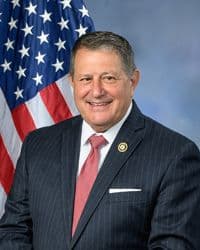
- Introduced
- 7/23/2026
- Last activity
- 7/23/2026 — Referred to the House Committee on House Administration.
- Sponsored by
- Joseph Morelle
- Cosponsors
- - 5 - 0
- Introduced
- In Committee
What this bill would do
This bill, known as the "AI Transparency in Elections Act of 2026," aims to amend the Federal Election Campaign Act of 1971. It focuses on providing transparency for political advertisements that use content substantially generated by artificial intelligence. The bill requires specific disclaimers for political communications containing AI-generated images, audio, or video. These disclaimers must be presented in a clear and conspicuous manner. The legislation also establishes enforcement mechanisms, including civil penalties for violations. Finally, it mandates regular reporting by the Federal Election Commission to Congress.
Yes
Does this make what the government does easier for the public to see?+5
The bill increases transparency in political communications by mandating disclaimers for AI-generated content.
Does this make casting a ballot easier in practice?+3
The bill enhances voter information by requiring transparency when artificial intelligence is used in political advertisements.
Does this put more rules on large technology companies?+2
The bill establishes new disclosure requirements for the use of generative artificial intelligence technology in political media.
The opposite
No question was scored the opposite.
Who it would affect, and how
Potential Positive Impacts for People
-
Increased Transparency for Voters: The bill requires that political communications using AI-generated images, audio, or video include a clear statement about the use of such technology (Section 2(a)(1)(C)(i) and Section 2(a)(2)). This helps people understand when they are viewing content that was created or materially altered by artificial intelligence.
-
Standardized Disclosure Formats: The bill provides specific guidelines for how disclaimers should appear in different media types, such as requiring audio statements to be at least 4 seconds long (Section 2(a)(3)(B)) or requiring written statements to be permanently affixed to images (Section 2(a)(3)(A)). This ensures voters receive consistent information across various platforms.
Potential Negative Impacts for People
-
Financial Penalties for Non-Compliance: The bill establishes civil money penalties for violating the disclaimer requirements, which can be up to $50,000 per covered communication (Section 2(b)(1)(B)(ii)). This could place a significant financial burden on those who fail to follow the new rules.
-
Legal Risks for Failure to Respond: If a person is notified of an alleged violation and fails to respond in a timely manner, it will be treated as an admission of the factual allegations of the complaint (Section 2(b)(2)). This could lead to automatic admissions of wrongdoing in enforcement actions.
Groups and Interests Ranking
Every group the model scored this bill for, from -10 to +10. Hover a score for the reason it gave.
- Governance And Ideology
- Improves Government Transparency+5
- Social Issues And Justice
- Improves Voting Access+3
- Education And Technology
- Increases Big Tech Regulation+2
- 8/13/2026
- 1 Cosponsor added.
- 7/23/2026
- Referred to the House Committee on House Administration.
- 4 Cosponsors added.
- Introduced in House
2 bills Congress.gov lists as related to this one — companions in the other chamber, earlier versions, and bills this one absorbed or was folded into.
 Ed Case
Democrat · Hawaii
 Julie Johnson
Democrat · Texas
 Rick Larsen
Democrat · Washington
 Terri Sewell
Democrat · Alabama
 Norma Torres
Democrat · California