Bill · H.R. 9913· House(119-HR-9913)
Safe Sips Act of 2026
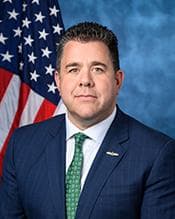
- Introduced
- 7/23/2026
- Last activity
- 7/23/2026 — Referred to the Committee on Energy and Commerce, and in addition to the Committee on Ways and Means, for a period to be subsequently determined by the Speaker, in each case for consideration of such provisions as fall within the jurisdiction of the committee concerned.
- Sponsored by
- Nick LaLota
- Cosponsors
- None
- Introduced
- In Committee
What this bill would do
The "Safe Sips Act of 2026" directs the Secretary of Health and Human Services and the Secretary of the Treasury to establish a color-coding system for certain intoxicating drinks. This system requires a single color to be used at the dispensing point of packaging for covered drinks. The bill also mandates a non-color identifier to ensure accessibility for consumers who are blind or colorblind. Manufacturers, distributors, and retailers are required to implement and comply with this system. The Act includes provisions for civil penalties for those who do not comply with these requirements.
Yes
Would people with disabilities be better off under this?+6
The requirement for non-color identifiers specifically aids the accessibility of intoxicating drinks for those who are blind or colorblind.
Does this expand the rights of people with disabilities?+5
The bill mandates non-color identifiers like text or tactile features to ensure accessibility for blind or colorblind consumers.
Does this make what the government does easier for the public to see?+2
The bill creates a standardized color-coding system for identifying intoxicating drinks to consumers.
The opposite
Does this leave more decisions to the states?-5
The bill includes a preemption clause that prevents states and tribal governments from enacting more stringent regulations than the federal standard.
Would business owners be better off under this?-3
Businesses face new regulatory burdens, mandatory color coding, and the risk of civil penalties for non-compliance.
Does this make it easier to run a small business?-2
The bill imposes new compliance requirements and potential civil penalties on manufacturers, distributors, and retailers.
Who it would affect, and how
Potential Positive Impacts for People
-
Accessibility for Visually Impaired Consumers: The bill requires the inclusion of a non-color identifier, such as text, a symbol, a pattern, or a tactile feature, to ensure the system is accessible to consumers who are blind or colorblind (Section 2(a)(2)).
-
Standardization of Identification: The system establishes a single color to be used at the dispensing point for all covered drinks, regardless of the specific type of intoxicating substance contained in the drink (Section 2(a)(1)).
Potential Negative Impacts for People
-
Financial Penalties for Non-compliance: The Secretary is tasked with establishing a procedure for assessing civil penalties and a fine structure for any manufacturer, distributor, or retailer that does not comply with the requirements (Section 2(c)(1)).
-
Restrictions on Non-Covered Drinks: Manufacturers, distributors, or retailers are prohibited from using the identified color, or a substantially similar color, at the dispensing point of any drink that is not a covered drink (Section 2(b)(4)).
-
Limitations on Local Regulation: No State, political division of a State, or Tribal government is allowed to enact or enforce any law or regulation that is more stringent than the requirements established in this Act (Section 2(e)).
Groups and Interests Ranking
Every group the model scored this bill for, from -10 to +10. Hover a score for the reason it gave.
- Social Issues And Justice
- Improves Disability Rights+5
- Demographic And Interest Groups
- Good For People With Disabilities+6Good For Business Owners-3
- Governance And Ideology
- Improves Government Transparency+2Increase States Rights-5
- Economy And Finance
- Improves Small Business Support-2
- 7/23/2026
- Referred to the Committee on Energy and Commerce, and in addition to the Committee on Ways and Means, for a period to be subsequently determined by the Speaker, in each case for consideration of such provisions as fall within the jurisdiction of the committee concerned.
- Introduced in House