Bill · H.R. 9891· House(119-HR-9891)
PREVENT ESRD Act
- Introduced
- 7/22/2026
- Last activity
- 7/22/2026 — Referred to the Committee on Energy and Commerce, and in addition to the Committee on Ways and Means, for a period to be subsequently determined by the Speaker, in each case for consideration of such provisions as fall within the jurisdiction of the committee concerned.
- Sponsored by
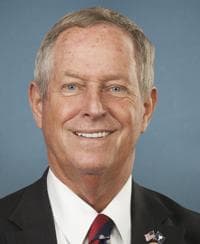
- Joe Wilson
- Cosponsors
- None
- Introduced
- In Committee
What this bill would do
This bill, known as the PREVENT ESRD Act, directs the Secretary of Health and Human Services to run a 10-year demonstration program. The program aims to increase access to specific kidney care services to prevent or delay the progression to end-stage renal disease (ESRD). It creates a system where eligible health insurance plans can share in the savings they create for Medicare if they successfully slow disease progression. Participating plans must cover specific services, such as screenings and drugs, with low cost-sharing for members. The Secretary will also host a listening session to identify policy solutions for improving kidney disease diagnosis and treatment.
Yes· 3 of 7
Does this make health care easier to get in general?+7
The bill increases access to kidney disease screenings, drugs, and nutrition services through a new demonstration program.
Would people over 65 be better off under this?+6
The bill enhances preventative care and reduces costs for those enrolled in Medicare-related plans.
Does this reduce what the federal government spends?+5
The bill aims to reduce Medicare expenditures by preventing the progression of kidney disease to end-stage renal disease.
The opposite
No question was scored the opposite.
Who it would affect, and how
Potential Positive Impacts for People
-
Increased Access to Care: The program aims to increase access for qualifying kidney disease enrollees to specified kidney care services to prevent progression to ESRD (Section 4(a)(1)).
-
Comprehensive Kidney Services: Plans must cover a wide range of services including screening measures (like blood-based and genetic testing), FDA-approved drugs to slow kidney function decline, nutrition services, and disease management support (Section 4(a)(2)(B)).
-
Reduced Costs for Patients: Participating plans are required to cover specified kidney care services with the lowest level of cost-sharing under the plan's benefit design (Section 4(b)(1)(C)).
-
No-Cost Screenings: Plans must provide coverage without cost-sharing for all plan enrollees for kidney disease screening (Section 4(b)(1)(D)).
-
Expanded Service Delivery: Specified kidney care services can include items and services furnished via telehealth if it is medically appropriate (Section 4(a)(2)(C)).
Potential Negative Impacts for People
-
Risk of Avoiding High-Risk Patients: There is a provision to prevent plans from taking actions to avoid enrolling kidney disease patients who are at an elevated risk of developing ESRD (Section 4(c)(4)).
-
Potential for Program Termination: The Secretary has the authority to terminate an agreement with a participating plan if they fail to comply with the program's terms (Section 4(b)(2)(A)).
Groups and Interests Ranking
Every group the model scored this bill for, from -10 to +10. Hover a score for the reason it gave.
- Demographic And Interest Groups
- Good For Seniors+6Good For Low Income Households+4Good For Rural Residents+3
- Healthcare
- Improves Healthcare Access+7Increases Medicaid Funding+3
- Economy And Finance
- Reduces Government Spending+5
- Social Issues And Justice
- Improves Poverty Reduction+2
- 7/22/2026
- Referred to the Committee on Energy and Commerce, and in addition to the Committee on Ways and Means, for a period to be subsequently determined by the Speaker, in each case for consideration of such provisions as fall within the jurisdiction of the committee concerned.
- Introduced in House