Bill · H.R. 9805· House(119-HR-9805)
Children’s Safe Welcome Act of 2026
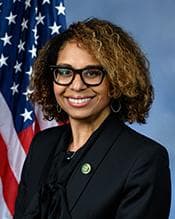
- Introduced
- 7/21/2026
- Last activity
- 7/22/2026 — Referred to the Subcommittee on Border Security and Enforcement.
- Sponsored by
- Sydney Kamlager-Dove
- Cosponsors
- - 2 - 0
- Introduced
- In Committee
What this bill would do
The Children's Safe Welcome Act of 2026 aims to establish specific protections for children in immigration custody. It prohibits the separation of noncitizen children from their parents, legal guardians, or suitable family members. The bill sets standards for detention and facilities managed by U.S. Customs and Border Protection and establishes guidelines for the Department of Health and Human Services regarding the care of unaccompanied noncitizen children. It also creates an independent Office of the Ombudsperson to monitor compliance and investigate complaints. Additionally, the legislation outlines requirements for medical screenings, education, legal representation, and strict protocols for sponsorship.
Yes· 3 of 12
Would children be better off under this?+10
The bill provides extensive legal, mental health, safety, and cultural preservation protections for unaccompanied children.
Would LGBTQ people be better off under this?+9
The bill establishes comprehensive protections for the privacy, housing, and gender expression of LGBTQI children in custody.
Would immigrants be better off under this?+8
The bill provides significant data privacy and protection against information sharing for the purpose of immigration enforcement.
The opposite
No question was scored the opposite.
Who it would affect, and how
Potential Positive Impacts for People
-
Protection of Family Unity: The bill prohibits the separation of noncitizen children from their parents, legal guardians, or suitable nonparent family members, except in specific cases involving national security or documented physical or emotional danger. (Section 101)
-
Improved Care at the Border: Licensed child caregiver professionals must be present at land ports of entry, Border Patrol stations, and processing facilities to oversee basic needs like food, hygiene, and supervision. (Section s 102)
-
Strict Detention Limits: The Commissioner of U.S. Customs and Border Protection is prohibited from detaining a family with a noncitizen child for more than 72 hours. (Section 104)
-
Enhanced Medical Standards: Children in custody must receive a medical screening by a licensed professional within 6 hours of arrival at a Customs and Border Protection facility. (Section 105)
-
Comprehensive Services in Childcare: Children in state-licensed programs are entitled to a variety of services, including educational instruction, recreational activities, and mental health counseling. (Section 211)
-
Prioritization of Foster Care: The bill encourages placing children in the least restrictive settings that approximate a family, with a preference for foster family care. (Section 222, 223)
-
Support for Children with Disabilities: The bill requires specialized services, assessments, and integrated settings for unaccompanied noncitizen children with disabilities, and prohibits delaying release based solely on pending evaluations for disability services. (Section 212, 224, 233(a))
-
Access to Legal Support: The legislation ensures that children in immigration custody have access to legal orientation, can consult with legal counsel or child advocates, and guarantees representation by counsel at government expense. (Section 102, 211, 402)
-
Fairness in Sponsorship: The bill prohibits denying sponsorship based on a prospective sponsor's poverty, use of public assistance, or lack of employment or health insurance, and requires that parents not be denied reunification unless there is clear and convincing evidence of potential harm. (Section 232, 232(c))
-
Enhanced Oversight and Accountability: The establishment of an independent Office of the Ombudsperson provides a mechanism for investigating complaints and monitoring compliance with the law. (Section 601)
-
Protection of Privacy and Information: Strict rules ensure that a child's personal and case files are kept separate from their immigration files and that such information cannot be used to deny immigration relief. (Section 232(b)(3)(F)(v), Section 801, Section 802)
-
Improved Standards for Emergency Facilities: During influxes, the bill limits the use of temporary facilities and requires them to meet high standards for staffing, medical care, and safety. (Section 305)
Potential Negative Impacts for People
-
Separation Restrictions: While generally prohibiting separation, the bill allows for it if a child's caregiver presents an imminent threat to national security or if a child welfare expert determines the care is likely to result in serious emotional or physical damage. (Section 101)
-
Mandatory Transfers: The Director is required to develop a plan to phase out large congregate care facilities, which involves moving children into different placements. (Section 221)
-
Restrictions on Certain Placements: The bill prohibits the placement of unaccompanied noncitizen children in secure facilities or in U.S. Immigration and Customs Enforcement facilities. (Section 226)
-
Strict Requirements for Influx Facilities: The high standards for staffing, licensing, and medical requirements for influx facilities could make it more difficult to establish emergency housing during sudden surges. (Section 305)
-
Restrictions on Information Sharing: The strict prohibitions on sharing information between the Office of Refugee Resettlement and immigration enforcement agencies could potentially impact the ability of officials to coordinate certain aspects of immigration processing. (Section s 804)
-
Burden on Prospective Sponsors: Prospective sponsors must undergo assessments, including potential fingerprint-based background checks, which could be viewed as a burden. (Section 232(a)(5))
Groups and Interests Ranking
Every group the model scored this bill for, from -10 to +10. Hover a score for the reason it gave.
- Demographic And Interest Groups
- Good For Children+10Good For L G B T Q Community+9Good For Immigrants+8Good For People With Disabilities+8Good For Native Americans+7Good For Young Adults+4
- Social Issues And Justice
- Improves Disability Rights+8Improves L G B T Q Rights+8
- Governance And Ideology
- Improves Due Process+8Improves Government Transparency+6
- Healthcare
- Improves Mental Health Access+5Improves Healthcare Access+4
- 7/22/2026
- Referred to the Subcommittee on Border Security and Enforcement.
- 7/21/2026
- Referred to the Committee on the Judiciary, and in addition to the Committee on Homeland Security, for a period to be subsequently determined by the Speaker, in each case for consideration of such provisions as fall within the jurisdiction of the committee concerned.
- 2 Cosponsors added.
- Introduced in House
5 bills Congress.gov lists as related to this one — companions in the other chamber, earlier versions, and bills this one absorbed or was folded into.
 Henry Johnson
Democrat · Georgia
 Mike Quigley
Democrat · Illinois