Bill · H.R. 9804· House(119-HR-9804)
SAFE Rural Act
- Introduced
- 7/21/2026
- Last activity
- 7/21/2026 — Referred to the House Committee on Transportation and Infrastructure.
- Sponsored by
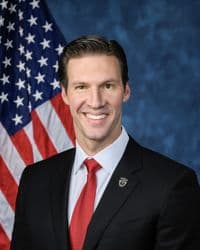
- Pat Harrigan
- Cosponsors
- - 1 - 1
- Introduced
- In Committee
What this bill would do
The SAFE Rural Act aims to amend the Robert T. Stafford Disaster Relief and Emergency Assistance Act to support rural areas facing flood risks. It establishes the SAFE Rural Fund, which is funded by a 2 percent allocation from the FEMA Disaster Relief Fund. This fund provides dedicated, formula-based pass-through grants to States and Indian tribal governments for flood resilience projects in rural communities. The bill focuses on predisaster investments, such as infrastructure construction and nature-based solutions, to fill gaps left by post-disaster recovery efforts. It also includes a community assistance program to build local capacity for managing these grants.
Yes· 3 of 8
Would people in rural areas be better off under this?+8
The bill establishes a dedicated fund specifically to support flood resilience in rural communities.
Would Native Americans be better off under this?+7
The bill provides dedicated, formula-based pass-through grants to Indian tribal governments.
Does this better protect air, water and wildlife?+6
The bill funds nature-based solutions like floodplain restoration and wetland enhancement.
The opposite
No question was scored the opposite.
Who it would affect, and how
Potential Positive Impacts for People
-
Targeted Support for Vulnerable Communities: The bill provides dedicated funding for rural communities, Tribal lands, and territories that face heightened vulnerabilities due to limited tax bases and aging infrastructure (Section 2, Findings).
-
Increased Flood Resilience through Infrastructure: Funds can be used for the construction or restoration of flood-resilient public infrastructure, including bridges, culverts, drainage systems, and levees (Section 7, subsection (5)(A)(i)).
-
Environmental and Nature-Based Benefits: The act supports nature-based solutions such as floodplain and wetland restoration, living shorelines, and upland reforestation to reduce runoff (Section 5; Section 7, subsection (5)(A)(iii)).
-
Reduced Financial Burden via Predisaster Investment: Targeted support for flood mitigation is intended to measurably reduce long-term Federal disaster expenditures (Section 2, Findings).
-
Streamlined Grant Processes for Small Communities: The bill mandates a streamlined application process for small project subgrants (under $500,000) to help those with limited administrative capacity (Section 10, subsection (3)).
-
Capacity Building for Local Governments: The CAP-MIT grant program is designed to assist communities with preparing and submitting hazard mitigation grant applications (Section 7, subsection (7)(B)(ii)).
Potential Negative Impacts for People
-
Requirement for Local Funding Shares: Project subgrants generally require a non-Federal share of not less than 25 percent, which may pose a burden for some entities (Section 7, subsection (6)(B)(i)).
-
Strict Maintenance Obligations: To receive subgrants for certain projects, entities must submit an operations and maintenance plan that includes a responsible party and a funding source for long-term costs (Section 7, subsection (5)(B)(i)).
-
Administrative Retention Limits: Recipients are limited to retaining no more than 5 percent of allocated funds for administration, outreach, and monitoring (Section 7, subsection (4)(A)(ii)).
Groups and Interests Ranking
Every group the model scored this bill for, from -10 to +10. Hover a score for the reason it gave.
- Demographic And Interest Groups
- Good For Rural Residents+8Good For Native Americans+7Good For Low Income Households+5
- Environment Energy And Infrastructure
- Improves Environmental Protections+6Improves Roads And Bridges+5
- Economy And Finance
- Reduces Government Spending+4
- Governance And Ideology
- Improves Government Transparency+3
- Social Issues And Justice
- Improves Affordable Housing+2
- 7/21/2026
- Referred to the House Committee on Transportation and Infrastructure.
- 2 Cosponsors added.
- Introduced in House
 James Gallagher
Republican · California
 Eric Sorensen
Democrat · Illinois