Bill · H.R. 9800· House(119-HR-9800)
Protection Against Mass Surveillance Act
- Introduced
- 7/21/2026
- Last activity
- 7/21/2026 — Referred to the House Committee on Oversight and Government Reform.
- Sponsored by
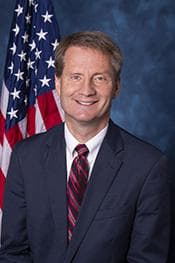
- Tim Burchett
- Cosponsors
- - 8 - 0
- Introduced
- In Committee
What this bill would do
This bill is called the Protection Against Mass Surveillance Act. It stops federal agencies from buying, using, or accessing automated surveillance systems that identify, track, or record individuals. It also stops state, local, and Tribal governments from using federal money to buy or use these same surveillance systems. Additionally, federal agencies must delete any data they collect in violation of this law within 30 days. Finally, any data the federal government gets by breaking this rule cannot be used as evidence in court or administrative proceedings.
Yes· 3 of 5
Does this protect people from being watched or searched?+9
The act provides significant protections for privacy by banning mass biometric and facial surveillance.
Does this give people more control over their personal data?+9
The bill strongly protects individual privacy by prohibiting automated biometric and facial recognition tracking.
Does this change how police departments operate?+6
The bill restricts the use of automated surveillance technologies by federal and state agencies, which acts as a check on policing methods.
The opposite
Does this give the government more power to monitor people inside the country?-8
The bill significantly reduces domestic surveillance by prohibiting the use of facial recognition and biometric tracking.
Does this tighten control of the border?-3
Restricting automated surveillance and biometric tracking may reduce the technological capabilities used for border enforcement.
Does this give the federal government more power?-2
The bill limits the operational capabilities and technological resources of Federal agencies.
Who it would affect, and how
Potential Positive Impacts for People
-
Protection from Federal Tracking: Under Section 2(a), federal agencies are completely banned from purchasing, deploying, operating, accessing, or contracting for automated surveillance systems that identify, track, or record individuals, including facial recognition and biometric tech. This protects everyday people from being constantly watched or tracked by the federal government.
-
No Federal Funding for Local Spy Tech: Under Section 2(b), state, local, and Tribal governments are blocked from using federal funds to buy or operate these same automated surveillance systems and technologies. This keeps your tax dollars from being used by local officials to set up mass tracking systems against you.
-
Required Data Deletion: Under Section 3(a), if a federal agency somehow gets data by breaking the rules, the head of that agency must delete the data within 30 days of getting it. This ensures that unauthorized personal records are not quietly stored away by the government.
-
Court Protection: Under Section 3(b), any data the federal government collects by breaking these rules is completely banned from being used as evidence in any court or administrative proceeding. This holds the government accountable by making sure they cannot benefit in legal settings from illegal spying.
Potential Negative Impacts for People
- No Negative Impacts Identified: Based strictly on the text provided, there are no sections or provisions listed that create negative consequences or burdens for individuals or groups of people in the United States.
Groups and Interests Ranking
Every group the model scored this bill for, from -10 to +10. Hover a score for the reason it gave.
- Governance And Ideology
- Improves Privacy Rights+9Improves Due Process+5Improves Government Transparency+2Increases Federal Power-2
- Education And Technology
- Improves Data Privacy+9
- National Security And Foreign Policy
- Increases Domestic Surveillance-8
- Social Issues And Justice
- Improves Policing Reform+6Improves Border Security-3
- 9/24/2026
- 1 Cosponsor added.
- 9/2/2026
- 1 Cosponsor added.
- 9/1/2026
- 2 Cosponsors added.
- 8/31/2026
- 2 Cosponsors added.
- 8/13/2026
- 1 Cosponsor added.
- 7/27/2026
- 1 Cosponsor added.
- 7/21/2026
- Referred to the House Committee on Oversight and Government Reform.
- Introduced in House
 Eric Burlison
Republican · Missouri
 Josh Brecheen
Republican · Oklahoma
 Tom Barrett
Republican · Michigan
 Michael Cloud
Republican · Texas
 H. Griffith
Republican · Virginia
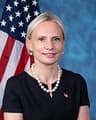 Victoria Spartz
Republican · Indiana
 Marlin Stutzman
Republican · Indiana
 Tony Wied
Republican · Wisconsin