Bill · H.R. 9752· House(119-HR-9752)
Protecting Home-Based Care for Rural Veterans Act of 2026
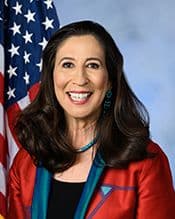
- Introduced
- 7/16/2026
- Last activity
- 7/23/2026 — Referred to the Subcommittee on Health.
- Sponsored by
- Teresa Leger Fernandez
- Cosponsors
- - 9 - 0
- Introduced
- In Committee
What this bill would do
This bill is called the Protecting Home-Based Care for Rural Veterans Act of 2026. It focuses on making sure the Department of Veterans Affairs pays fair reimbursement rates for home and community-based services. If reimbursement rates for the Homemaker and Home Health Aide program were reduced after December 31, 2025, the Secretary must put the old rates back in place. The bill also stops the Secretary from lowering these rates below the December 31, 2025 levels unless Congress is notified 90 days ahead of time. Additionally, the Secretary must submit regular reports to Congress about provider numbers, regional shortages, and how rates are calculated.
Yes· 3 of 6
Would veterans be better off under this, taking everything together?+7
The bill protects the availability and funding of essential home and community-based services for veterans.
Does this increase the pay, pensions or support veterans receive?+7
The bill mandates the reinstatement of reduced reimbursement rates for the Homemaker and Home Health Aide program to support veterans' care.
Does this make health care easier to get in general?+6
The bill requires the Secretary to report on and plan for adequate provider participation to meet veteran demand for home-based care.
The opposite
No question was scored the opposite.
Who it would affect, and how
Potential Positive Impacts for People
-
Section 2(a) requires the Secretary to reinstate reimbursement rates that were reduced after December 31, 2025, and bans reducing them below that level without giving Congress a 90-day warning. This is a positive step because it protects the funding for vital in-home care services that veterans rely on.
-
Section 2(a) adds a requirement for the Secretary to report to Congress every year on whether there are enough providers to meet veteran demand, identify regions with shortages, and explain plans to fix those shortages. This holds officials accountable and helps ensure veterans in rural and other areas actually get the care they need.
-
Section 2(b) forces the Secretary to submit a report to Congress within 90 days detailing the data sources, formulas, weighting factors, and contractor involvement used to set reimbursement rates. This brings much-needed transparency so we can see exactly how decisions affecting our veterans' care are being made.
Potential Negative Impacts for People
- Based strictly on the provided text, there are no specific sections or provisions identified that create negative consequences, burdens, or harms for individuals or groups of people in the United States.
Groups and Interests Ranking
Every group the model scored this bill for, from -10 to +10. Hover a score for the reason it gave.
- Demographic And Interest Groups
- Good For Veterans+7Good For Seniors+5Good For Rural Residents+4
- National Security And Foreign Policy
- Improves Veterans Benefits+7
- Healthcare
- Improves Healthcare Access+6
- Governance And Ideology
- Improves Government Transparency+5
- 7/23/2026
- Referred to the Subcommittee on Health.
- 7/16/2026
- Referred to the House Committee on Veterans' Affairs.
- 9 Cosponsors added.
- Introduced in House
One bill Congress.gov lists as related to this one — companions in the other chamber, earlier versions, and bills this one absorbed or was folded into.
 Henry Cuellar
Democrat · Texas
 Joaquin Castro
Democrat · Texas
 Veronica Escobar
Democrat · Texas
 Al Green
Democrat · Texas
 Vicente Gonzalez
Democrat · Texas
 Sylvia Garcia
Democrat · Texas
 Melanie Stansbury
Democrat · New Mexico
 Marc Veasey
Democrat · Texas
 Gabe Vasquez
Democrat · New Mexico