Bill · H.R. 9735· House(119-HR-9735)
CLINIC Assistance Act
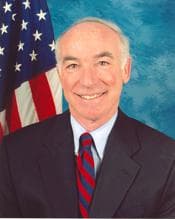
- Introduced
- 7/16/2026
- Last activity
- 7/16/2026 — Referred to the House Committee on Education and Workforce.
- Sponsored by
- Joe Courtney
- Cosponsors
- None
- Introduced
- In Committee
What this bill would do
This bill seeks to amend the Employee Retirement Income Security Act of 1974. It proposes the creation of a grant program to support law school programs, such as clinics, externships, or pro bono programs. These programs would allow law students to help participants and beneficiaries of employee welfare benefit plans. The goal is to improve access to benefits through legal assistance. The Secretary would provide these grants to accredited law schools.
Yes· 3 of 10
Would households on low incomes be better off under this?+4
The bill provides legal resources to help participants secure benefits they are entitled to receive.
Does this give people more protection from unfair business practices?+4
The bill provides legal assistance to beneficiaries to challenge denied benefits and healthcare provider disputes.
Would people over 65 be better off under this?+3
Seniors relying on employee welfare benefit plans will have better access to legal assistance for benefit denials.
The opposite
No question was scored the opposite.
Who it would affect, and how
Potential Positive Impacts for People
-
Improved Access to Benefits: The establishment of a grant program for attorney-supervised clinical programs or pro bono programs aims to improve access to benefits under employee welfare benefit plans (Section 2(a)).
-
Legal Representation for Benefit Denials: Participants and beneficiaries can receive representation in appeals regarding benefit denials, including through internal claims procedures and external review processes (Section 2(b)(1)(A)).
-
Legal Support for Civil Actions: The grant allows for representation in actions brought under section 502 (Section 2(b)(1)(B)).
-
Defense Against Healthcare Providers: Beneficiaries can receive assistance in actions brought against them by a health care provider or facility regarding unpaid out-of-pocket costs (Section 2(b)(1)(C)).
-
Enforcement of Benefits: The program supports actions relating to the enforcement of title I of the Act and the receipt of benefits under employee welfare benefit plans (Section 2(b)(1)(D)).
-
Coordinated Assistance: Benefit advisors from the Employee Benefits Security Administration can coordinate with institutions to assist participants and beneficiaries in challenging denied benefit claims (Section 2(f)(1)).
-
Resource Sharing: Benefit advisors may provide participants and beneficiaries with a list of eligible institutions that operate these programs (Section 2(f)(2)).
-
Coordination with Consumer Assistance: Programs supported by the grants may coordinate with and make referrals to State offices of health insurance consumer assistance, health insurance ombudsmen, or other specific programs (Section 2(g)).
Potential Negative Impacts for People
- Funding Limitations: The Secretary is prohibited from awarding more than $500,000 to an eligible institution for any fiscal year (Section 2(e)).
Groups and Interests Ranking
Every group the model scored this bill for, from -10 to +10. Hover a score for the reason it gave.
- Demographic And Interest Groups
- Good For Low Income Households+4Good For Seniors+3Good For Students+3
- Economy And Finance
- Improves Consumer Protection+4Improves Union Protections+2
- Healthcare
- Improves Healthcare Access+3Increases Affordable Care Act Support+2
- Governance And Ideology
- Improves Due Process+3Improves Government Transparency+1
- Education And Technology
- Improves College Affordability+2
- 7/16/2026
- Referred to the House Committee on Education and Workforce.
- Introduced in House