Bill · H.R. 9734· House(119-HR-9734)
Protecting Patients from Automated Denials Act
- Introduced
- 7/16/2026
- Last activity
- 7/16/2026 — Referred to the Committee on Ways and Means, and in addition to the Committee on Energy and Commerce, for a period to be subsequently determined by the Speaker, in each case for consideration of such provisions as fall within the jurisdiction of the committee concerned.
- Sponsored by
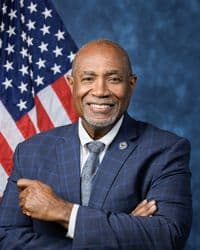
- Herbert Conaway
- Cosponsors
- - 0 - 2
- Introduced
- In Committee
What this bill would do
This bill, titled the "Protecting Patients from Automated Denials Act," aims to amend the Social Security Act regarding Medicare Advantage plans. It establishes new requirements for when these plans use artificial intelligence to deny prior authorization requests for items or services. Starting January 1, 2027, any such denial must be reviewed and approved by a qualified physician reviewer under the direction of a medical director. The bill requires the physician to provide a signed attestation that their medical judgment was independent of the AI output. Additionally, the plan must provide specific information and opportunities for communication to the provider and the individual. Finally, the bill mandates detailed record-keeping and regular reporting to the Secretary.
Yes· 3 of 6
Would people over 65 be better off under this?+5
The bill provides stronger protections for Medicare beneficiaries against automated medical denials.
Would retired people be better off under this?+5
The bill enhances the security of health coverage decisions for retired individuals on Medicare Advantage.
Does this make what the government does easier for the public to see?+4
The bill increases transparency by requiring plans to disclose the use of AI and providing the specific identifier of the physician reviewer.
The opposite
No question was scored the opposite.
Who it would affect, and how
Potential Positive Impacts for People
-
Increased Human Oversight: Medicare Advantage plans cannot deny a request based solely on artificial intelligence output without a qualified physician reviewer reviewing and approving it (Section 2(a)(1)(A)). This ensures a human expert is looking at the medical decision.
-
Ensuring Independent Medical Judgment: The bill requires a physician to sign an attestations stating they exercised medical judgment independent from the AI output and that the denial was not generated or dictated by the technology (Section 2(a)(1)(B)).
-
Improved Transparency for Patients and Providers: Plans must disclose to the individual and the provider that artificial intelligence was used in the denial and provide the National Provider Identifier number of the physician reviewer (Section 2(a)(1)(D)).
-
Direct Communication Opportunities: The bill requires plans to provide the submitting provider an opportunity to communicate directly with the qualified physician reviewer and discuss the proposed individualized clinical basis for the denial (Section 2(a)(1)(C)).
-
Strengthened Accountability and Oversight: The Secretary is granted authority to audit and inspect the use of artificial intelligence by plans, including reviewing data, examining attestations, and interviewing employees (Section 2(a)(3)).
Potential Negative Impacts for People
- No specific negative impacts are explicitly detailed in the text provided.
Groups and Interests Ranking
Every group the model scored this bill for, from -10 to +10. Hover a score for the reason it gave.
- Demographic And Interest Groups
- Good For Retirees+5Good For Seniors+5
- Governance And Ideology
- Improves Government Transparency+4
- Healthcare
- Improves Healthcare Access+3Increases Medicare Funding+1
- Education And Technology
- Increases Big Tech Regulation+2
- 10/6/2026
- 1 Cosponsor added.
- 7/16/2026
- Referred to the Committee on Ways and Means, and in addition to the Committee on Energy and Commerce, for a period to be subsequently determined by the Speaker, in each case for consideration of such provisions as fall within the jurisdiction of the committee concerned.
- 1 Cosponsor added.
- Introduced in House
 Robert Bresnahan
Republican · Pennsylvania
 Gregory Murphy
Republican · North Carolina