Bill · H.R. 9711· House(119-HR-9711)
Autocycle Safety Act
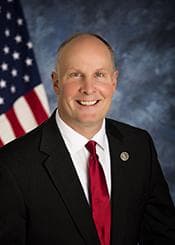
- Introduced
- 7/15/2026
- Last activity
- 7/15/2026 — Referred to the House Committee on Energy and Commerce.
- Sponsored by
- John Moolenaar
- Cosponsors
- None
- Introduced
- In Committee
What this bill would do
The Autocycle Safety Act aims to amend title 49 of the United States Code to establish safety standards for autocycles and their equipment. It defines an autocycle as a three-wheeled, front-wheel drive motorcycle with a steering wheel and a fully enclosed occupant compartment. The bill establishes interim safety standards that autocycles must meet until final rules are issued. These interim requirements include compliance with various motor vehicle safety standards for passenger cars and motorcycles. Additionally, the Secretary of Transportation is tasked with issuing final rules and procedures within three years of the Act's enactment.
Yes
Does this make what the government does easier for the public to see?+1
The bill mandates that the Secretary of Transportation issue final rules and test procedures within a three-year timeframe.
The opposite
Would business owners be better off under this?-2
Manufacturers face new regulatory requirements and must prepare for future final rules issued by the Secretary of Transportation.
Does this make it easier to run a small business?-2
The bill imposes new safety compliance standards and potential regulatory uncertainty for manufacturers of autocycles.
Who it would affect, and how
Potential Positive Impacts for People
-
Interim Safety Protections: Under Section 2(a)(2), autocycles must meet specific safety standards during the interim period. This includes requirements for controls and displays (FMVSS 101), lamps and reflective devices (FMVSS 108), brake systems (FMVSS 135), seating systems (FMVSS 207), and seat belt assemblies (FMVSS 209).
-
Enhanced Vehicle Safety Features: According to Section 2(a)(2)(5), autocycles must be equipped with a steering wheel air bag, anti-lock brakes, and electronic stability control, which provides specific safety equipment to the driver.
-
Standardized Safety Compliance: Section 2(a)(2)(1) and (2) require compliance with standards for passenger cars and motorcycles regarding items like tires, brake hoses, and rearview mirrors, ensuring a baseline of safety performance.
Potential Negative Impacts for People
-
Regulatory Uncertainty for Manufacturers: Under Section 2(b)(1), the Secretary of Transportation has three years from the date of enactment to issue final rules, interpretations, and test procedures, which may create a period of waiting for finalized regulations.
-
Compliance Burdens: Section 2(b)(2)(3) notes that the Secretary must provide manufacturers with appropriate lead time to comply with the safety standards set forth in the final rules, implying that new regulations will require manufacturers to adjust their processes.
Groups and Interests Ranking
Every group the model scored this bill for, from -10 to +10. Hover a score for the reason it gave.
- Demographic And Interest Groups
- Good For Business Owners-2
- Economy And Finance
- Improves Small Business Support-2
- Governance And Ideology
- Improves Government Transparency+1
- 7/15/2026
- Referred to the House Committee on Energy and Commerce.
- Introduced in House