Bill · H.R. 9684· House(119-HR-9684)
PATH Act
- Introduced
- 7/14/2026
- Last activity
- 7/14/2026 — Referred to the House Committee on Education and Workforce.
- Sponsored by
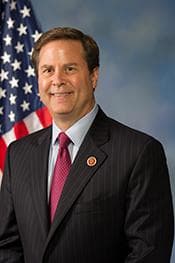
- Donald Norcross
- Cosponsors
- - 1 - 1
- Introduced
- In Committee
What this bill would do
The bill, known as the Pre-Apprenticeships To Hardhats Act or PATH Act, directs the Secretary of Labor to support the development of pre-apprenticeship programs in building and construction trades. It targets underrepresented populations, including individuals from low-income and rural census tracts, racial minorities, women, military veterans, and the long-term unemployed. The Secretary will award competitive grants to eligible nonprofit partnerships for up to three years, with a possible one-year extension based on performance. Eligible entities must include equal participation from industry employers and labor organizations. The legislation authorizes an appropriation of twenty million dollars for fiscal year 2027 and each subsequent fiscal year.
Yes· 3 of 22
Would households on low incomes be better off under this?+7
The bill targets individuals from low-income census tracts and offers financial support and training.
Would people in their twenties and thirties be better off under this?+6
Programs incorporating high schools help young participants earn diplomas while gaining trade skills.
Would women be better off under this?+6
Women are specifically highlighted as an underrepresented population targeted for pre-apprenticeship support.
The opposite
Does this reduce what the federal government spends?-2
The bill authorizes an appropriation of twenty million dollars annually starting in fiscal year 2027.
Who it would affect, and how
Potential Positive Impacts for People
-
Section 3(a) and Section 3(f)(2)(A) direct grant funds to pay for the cost of training and education associated with pre-apprenticeship programs for individuals from underrepresented populations. This benefits everyday people by helping them access skills and career opportunities in the building and construction trades without bearing the full financial burden of training costs.
-
Section 3(f)(3)(A) allows eligible entities to use grant funds to provide stipends for participants during work-based training in the program. This provision positively impacts individuals by offering financial support while they learn, making it easier for lower-income participants to stay in the program and achieve economic self-sufficiency.
-
Section 3(e)(4)(C) ensures that if an entity carrying out a project includes a high school, the program model leads to a high school diploma for participants who do not already have one. This directly benefits young people by allowing them to gain trade skills while simultaneously completing their secondary education.
Potential Negative Impacts for People
- The provided text does not contain any specific sections or provisions that outline potential negative consequences, burdens, or harms for individuals or groups of people in the United States.
Groups and Interests Ranking
Every group the model scored this bill for, from -10 to +10. Hover a score for the reason it gave.
- Demographic And Interest Groups
- Good For Low Income Households+7Good For Rural Residents+6Good For Veterans+6Good For Women+6Good For Young Adults+6Good For African Americans+5Good For Asian Americans+5Good For Hispanic Americans+5Good For Native Americans+5Good For Students+5Good For Business Owners+4
- Economy And Finance
- Increases Job Creation+6Improves Union Protections+5Improves Small Business Support+4Improves Economic Growth+3Reduces Government Spending-2
- Social Issues And Justice
- Improves Poverty Reduction+6Improves Gender Equality+5Improves Racial Equity+5
- National Security And Foreign Policy
- Improves Veterans Benefits+5
- Education And Technology
- Increases Public School Funding+4
- Environment Energy And Infrastructure
- Improves Rural Development+4
- Governance And Ideology
- Increases Federal Power+2
- 8/17/2026
- 1 Cosponsor added.
- 7/14/2026
- Referred to the House Committee on Education and Workforce.
- 1 Cosponsor added.
- Introduced in House
One bill Congress.gov lists as related to this one — companions in the other chamber, earlier versions, and bills this one absorbed or was folded into.
 Brian Fitzpatrick
Republican · Pennsylvania
 Eugene Vindman
Democrat · Virginia