Bill · H.R. 9673· House(119-HR-9673)
MARA Act of 2026
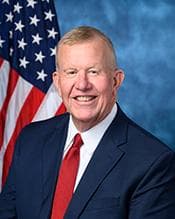
- Introduced
- 7/14/2026
- Last activity
- 7/14/2026 — Referred to the Committee on Natural Resources, and in addition to the Committee on Education and Workforce, for a period to be subsequently determined by the Speaker, in each case for consideration of such provisions as fall within the jurisdiction of the committee concerned.
- Sponsored by
- Mike Ezell
- Cosponsors
- - 0 - 4
- Introduced
- In Committee
What this bill would do
The MARA Act of 2026 directs the National Oceanic and Atmospheric Administration to create an assessment program for commercial-scale offshore aquaculture through demonstration projects. It establishes an Office of Aquaculture to coordinate regulatory, scientific, and outreach efforts. The bill also creates Aquaculture Centers of Excellence to support workforce development and job creation in the seafood industry. Through these projects, the act aims to reduce the United States seafood trade deficit by increasing domestic supply. Additionally, the legislation requires specific studies by the National Academies of Sciences and the Government Accountability Office. These efforts are intended to ensure offshore aquaculture is developed safely, sustainably, and with minimal conflict with existing fishing access.
Yes· 3 of 14
Is this likely to create jobs?+6
The bill establishes aquaculture centers of excellence and workforce development programs to create new jobs in the seafood industry.
Would business owners be better off under this?+5
The bill provides support for industry through marketing, promotion, and technical assistance for operators.
Would Native Americans be better off under this?+5
The bill specifically includes grants for Tribal colleges and institutions serving Alaska Native and Native Hawaiian communities.
The opposite
Does this better protect air, water and wildlife?-3
The bill acknowledges potential risks to marine life, water chemistry, and habitat from offshore aquaculture projects.
Who it would affect, and how
Potential Positive Impacts for People
-
Job Creation and Economic Support: The bill aims to support aquaculture workforce development and working waterfronts by creating new jobs and supporting existing jobs and businesses in the seafood industry (Section 2, Purpose 3).
-
Workforce Training: It establishes a grant program to support the education and training of individuals with the skills needed to manage and operate offshore aquaculture facilities (Section 301(b)(1)).
-
Educational Opportunities for Institutions: The bill provides for grants to "covered institutions"—including minority-serving, Native Hawaiian-serving, Alaska Native-serving, and Tribal colleges—to establish or enhance aquaculture curricula (Section 302(a)).
-
Increased Seafood Supply: The act seeks to reduce the United States seafood trade deficit by expanding the domestic supply of seafood through sustainable offshore aquaculture (Section 2, Purpose 5).
-
Priority for Impacted Workers: Priority consideration for demonstration project permits may be given to applicants who can demonstrate benefits to individuals in the agricultural, wild-caught fishery, or aquaculture industries who were negatively impacted by the COVID-19 pandemic or major disasters (Section 202(f)(1)).
Potential Negative Impacts for People
-
Risks to Marine Life and Environment: The bill acknowledges potential risks such as the escape of cultured species, wildlife entanglement, and adverse impacts on water chemistry and habitat (Section 201(b)(1)).
-
Potential for Pollution: Demonstration projects must address the risk of pollution impacts to the marine environment (Section 201(b)(1)(C)).
-
Conflicts with Existing Users: There is a recognized need to minimize conflicts with existing recreational and commercial fishing access and uses (Section 2, Purpose 6), as well as potential interference with existing uses of water bodies (Section 201(b)(2)(C)).
-
Risk of Disease and Genetic Issues: The bill notes the necessity of managing risks related to the spread of pathogens and the potential for genetic mixing between cultured and wild species (Section 203(e) and Section 401(b)(1)(C)).
Groups and Interests Ranking
Every group the model scored this bill for, from -10 to +10. Hover a score for the reason it gave.
- Demographic And Interest Groups
- Good For Business Owners+5Good For Native Americans+5Good For Students+5Good For Rural Residents+3Good For Union Workers+3Good For Low Income Households+2
- Economy And Finance
- Increases Job Creation+6Improves Small Business Support+5
- Education And Technology
- Increases Scientific Research Funding+5Improves College Affordability+4
- Social Issues And Justice
- Improves Racial Equity+4Improves Poverty Reduction+2
- Governance And Ideology
- Improves Government Transparency+3
- Environment Energy And Infrastructure
- Improves Rural Development+3Improves Environmental Protections-3
- 7/16/2026
- 1 Cosponsor added.
- 7/14/2026
- Referred to the Committee on Natural Resources, and in addition to the Committee on Education and Workforce, for a period to be subsequently determined by the Speaker, in each case for consideration of such provisions as fall within the jurisdiction of the committee concerned.
- 3 Cosponsors added.
- Introduced in House
One bill Congress.gov lists as related to this one — companions in the other chamber, earlier versions, and bills this one absorbed or was folded into.
 Ed Case
Democrat · Hawaii
 Chellie Pingree
Democrat · Maine
 Jimmy Panetta
Democrat · California
 Jill Tokuda
Democrat · Hawaii