Bill · H.R. 9668· House(119-HR-9668)
STOP Senior Fraud Act
- Introduced
- 7/14/2026
- Last activity
- 7/14/2026 — Referred to the House Committee on Financial Services.
- Sponsored by
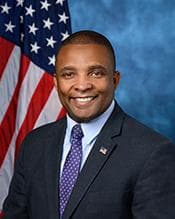
- Donald Davis
- Cosponsors
- - 1 - 2
- Introduced
- In Committee
What this bill would do
The STOP Senior Fraud Act allows financial institutions to delay or refuse transactions if they believe financial exploitation is occurring or being attempted. This applies to older adults, vulnerable persons, or those who have previously reported fraud. Delays can last up to 55 days, with possible extensions up to 85 days following an internal review. Institutions must notify authorized parties or trusted contacts and report suspicions to law enforcement and regulatory authorities. Financial institutions are also required to provide specific employee training regarding these protections. The Act includes a safe harbor to protect institutions acting in good faith.
Yes· 3 of 5
Would people over 65 be better off under this?+7
The bill provides targeted fraud protection for older adults aged 62 and above.
Would retired people be better off under this?+7
The bill offers enhanced protection against financial fraud for seniors and older adults.
Does this give people more protection from unfair business practices?+7
The bill enhances consumer protection by allowing institutions to intervene against financial exploitation.
The opposite
Does this protect the right to fair treatment by the courts?-3
The bill allows for the delay of funds which could impact the due process of accessing one's own assets.
Who it would affect, and how
Potential Positive Impacts for People
-
Protection against fraud and exploitation: Financial institutions can refuse or delay transactions if they reasonably believe exploitation is happening or being attempted, protecting the funds of older adults, vulnerable persons, or those with previous fraud history (Section 2(a)).
-
Identification of vulnerable individuals: The bill provides specific protections for "vulnerable persons," defined as those with physical or mental impairments or developmental disabilities (Section 2(h)).
-
Communication with support networks: Institutions are required to notify trusted contacts or relevant parties about suspected exploitation, allowing for timely intervention (Section 2(c)).
-
Accountability through reporting: Financial institutions must report suspected exploitation to State and local protective services, law enforcement, and Federal regulatory authorities (Section 2(c)).
-
Preparedness of staff: Financial institutions are mandated to train employees to identify financial exploitation and handle transactions involving vulnerable populations (Section 2(d)).
Potential Negative Impacts for People
-
Delayed access to funds: Transactions or disbursements can be delayed for up to 55 days, or as long as 85 days if an internal review is conducted (Section 2(b)).
-
Potential for unauthorized withholding of funds: A financial institution may refuse a transaction based on a reasonable belief of exploitation, which could impact an individual's access to their own money (Section 2(a)).
Groups and Interests Ranking
Every group the model scored this bill for, from -10 to +10. Hover a score for the reason it gave.
- Demographic And Interest Groups
- Good For Retirees+7Good For Seniors+7Good For People With Disabilities+5
- Economy And Finance
- Improves Consumer Protection+7
- Social Issues And Justice
- Improves Disability Rights+5
- Governance And Ideology
- Improves Due Process-3
- 9/15/2026
- 1 Cosponsor added.
- 7/30/2026
- 1 Cosponsor added.
- 7/14/2026
- Referred to the House Committee on Financial Services.
- 1 Cosponsor added.
- Introduced in House
 Brian Fitzpatrick
Republican · Pennsylvania
 Zachary Nunn
Republican · Iowa
 George Whitesides
Democrat · California