Bill · H.R. 9649· House(119-HR-9649)
Stop Retail Food Store SNAP Trafficking Act of 2026
- Introduced
- 7/13/2026
- Last activity
- 7/13/2026 — Referred to the House Committee on Agriculture.
- Sponsored by
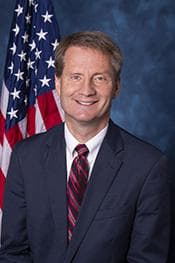
- Tim Burchett
- Cosponsors
- None
- Introduced
- In Committee
What this bill would do
The "Stop Retail Food Store SNAP Trafficking Act of 2026" aims to improve how the government estimates the trafficking of supplemental nutrition assistance program (SNAP) benefits by retail food stores. It requires the Secretary to update assumptions and validate them using independent data. The bill also increases civil money penalties for trafficking violations. Additionally, it allows for permanent disqualification of stores to be accompanied by money penalties. Finally, the Secretary must provide reports to Congress on the progress and results of these measures.
Yes· 3 of 14
Does this make what the government does easier for the public to see?+4
Requires updated national reports and reports to Congress on investigations and penalties.
Would households on low incomes be better off under this?+3
Reducing trafficking ensures that SNAP benefits are used for food, benefiting the intended recipients.
Does this make the government pay for what it commits to?+3
Strengthening penalties and data accuracy for benefit trafficking improves the fiscal management of the SNAP program.
The opposite
Would business owners be better off under this?-4
Store owners face significantly higher civil penalties and more frequent government audits.
Does this make it easier to run a small business?-2
Increased penalties and more frequent reviews for high-risk stores create additional burdens for some business owners.
Does this leave more decisions to the states?-1
Increases federal oversight and enforcement of SNAP program rules.
Who it would affect, and how
Potential Positive Impacts for People
-
More Accurate Trafficking Data: Section 2 requires the Secretary to evaluate and update assumptions and validate them with independent data, which improves the accuracy of estimates regarding benefit trafficking.
-
Increased Deterrents for Fraud: Section 3 increases civil money penalties from $100,000 to $250,000, which is intended to better deter violations of the law.
-
Stronger Enforcement: Section 3(b) ensures that permanent disqualification of stores that traffic benefits can be paired with civil money penalties.
-
Congressional Oversight: Section 4 requires a report to the House and Senate committees on investigations, disqualifications, and penalties, ensuring officials are accountable for implementation.
Potential Negative Impacts for People
-
Increased Financial Burden on Store Owners: Section 3 increases the civil money penalties for trafficking violations to $250,000, which is a higher financial burden for those found in violation.
-
More Frequent Store Reviews: Section 2(1)(D) directs the assessment of more frequent reauthorization for stores at high risk of trafficking, which may increase the frequency of government reviews for those stores.
Groups and Interests Ranking
Every group the model scored this bill for, from -10 to +10. Hover a score for the reason it gave.
- Demographic And Interest Groups
- Good For Low Income Households+3Good For African Americans+1Good For Children+1Good For Hispanic Americans+1Good For Native Americans+1Good For Retirees+1Good For Seniors+1Good For Business Owners-4
- Economy And Finance
- Improves Fiscal Responsibility+3Improves Consumer Protection+2Reduces Government Spending+1Reduces National Debt+1Improves Small Business Support-2
- Governance And Ideology
- Improves Government Transparency+4Increases Federal Power+2Increase States Rights-1
- Social Issues And Justice
- Improves Poverty Reduction+2
- 7/13/2026
- Referred to the House Committee on Agriculture.
- Introduced in House