Bill · H.R. 9610· House(119-HR-9610)
Less Bureaucracy, Better K–12 Education Act
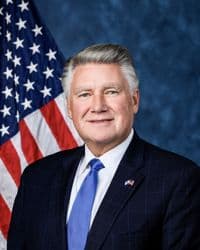
- Introduced
- 7/9/2026
- Last activity
- 7/15/2026 — Ordered to be Reported (Amended) by the Yeas and Nays: 19 - 16.
- Sponsored by
- Mark Harris
- Cosponsors
- - 1 - 0
- Introduced
What this bill would do
This bill is called the Less Bureaucracy, Better K-12 Education Act. It moves the management of elementary and secondary education programs from the Department of Education to the Secretary of Labor. Specifically, it transfers programs like formula grants for disadvantaged students, teacher training grants, rural school programs, and impact aid. The legislation also moves the personnel, funding, assets, and liabilities connected to these education functions over to the Department of Labor. Additionally, the Director of the Office of Management and Budget must ensure this shift does not increase the total number of full-time federal employees. Finally, the bill takes effect six months after its enactment, though early implementation is allowed.
Yes· 3 of 8
Would children be better off under this?+1
The bill includes safeguards to ensure that pending applications for educational benefits and services continue to be processed.
Would households on low incomes be better off under this?+1
The bill ensures the continuity of programs targeting disadvantaged, migrant, and low-income students.
Would Hispanic Americans be better off under this?+1
The bill maintains the continuity of functions related to English language acquisition programs.
The opposite
Does this reduce what the federal government spends?-1
The bill mandates that the OMB ensure there is no net increase in full-time equivalent employees during the transfer of functions.
Does this give the federal government more power?-1
The bill shifts significant administrative authority and responsibility from the Department of Education to the Department of Labor.
Who it would affect, and how
Potential Positive Impacts for People
- Section 4 states that unexpended funds transferred to the Secretary of Labor must be used only for the purposes for which they were originally authorized and appropriated. This ensures that money set aside for specific education programs remains dedicated to those exact programs rather than being spent elsewhere.
Potential Negative Impacts for People
- Section 2 transfers all elementary and secondary education programs, such as assistance for homeless children and youths under Section 2(23) and programs for neglected, delinquent, or at-risk children and youth under Section 2(5), out of the Department of Education and into the Department of Labor. This could create operational disruptions or confusion for schools, teachers, and vulnerable students who rely on these established support systems during the transition.
Groups and Interests Ranking
Every group the model scored this bill for, from -10 to +10. Hover a score for the reason it gave.
- Demographic And Interest Groups
- Good For Children+1Good For Hispanic Americans+1Good For Low Income Households+1Good For Students+1
- Social Issues And Justice
- Improves Affordable Housing+1Improves Poverty Reduction+1
- Economy And Finance
- Reduces Government Spending-1
- Education And Technology
- Increases Public School Funding+1
- Governance And Ideology
- Improves Government Transparency+1Increases Federal Power-1
- 8/13/2026
- 1 Cosponsor added.
- 7/15/2026
- Committee Consideration and Mark-up Session Held
- Ordered to be Reported (Amended) by the Yeas and Nays: 19 - 16.
- 7/9/2026
- Referred to the Committee on Education and Workforce, and in addition to the Committees on Financial Services, Natural Resources, and Oversight and Government Reform, for a period to be subsequently determined by the Speaker, in each case for consideration of such provisions as fall within the jurisdiction of the committee concerned.
- Introduced in House
 Michael Rulli
Republican · Ohio