Bill · H.R. 9604· House(119-HR-9604)
Less Bureaucracy, Better Tribal Education Act
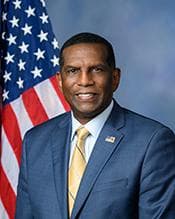
- Introduced
- 7/9/2026
- Last activity
- 7/15/2026 — Ordered to be Reported (Amended) by the Yeas and Nays: 20 - 15.
- Sponsored by
- Burgess Owens
- Cosponsors
- - 1 - 0
- Introduced
What this bill would do
The "Less Bureaucracy, Better Tribal Education Act" moves various Tribal education and job training functions from the Department of Education to the Department of Interior. This includes the transfer of 22 specific programs, such as grants for Native Hawaiian and Alaska Native education, as well as career and technical education. The bill transfers all related personnel, assets, and funds to the Secretary of the Interior. It also repeals specific parts of the Higher Education Act of 1965. The process includes a requirement for the Secretary of Education to consult with Indian Tribes.
Yes· 3 of 13
Would Native Americans be better off under this?+7
Directly benefits Native Americans by consolidating Tribal education and job training under the DOI and requiring Tribal consultation.
Would children be better off under this?+3
Transfers and preserves grants specifically for American Indian children and youth education.
Would people in their twenties and thirties be better off under this?+3
Maintains funding for Native American career and technical education.
The opposite
No question was scored the opposite.
Who it would affect, and how
Potential Positive Impacts for People
-
Consolidated Management: By transferring 22 different education and job training programs (such as the Native American Career and Technical Education Program and various grants for Tribal colleges) to the Department of Interior, the bill aims to reduce bureaucracy (Section 2).
-
Preservation of Funding: The bill ensures that any unexpended funds transferred to the Secretary of the Interior must be used only for the purposes they were originally authorized and appropriated for (Section 4).
-
Tribal Consultation: The Secretary of Education is required to consult and coordinate with Indian Tribes regarding the provisions of this Act and provide written responses to their correspondence (Section 10).
-
Continuity of Services: The act ensures that existing legal documents, grants, and pending applications for benefits or financial assistance remain in effect during the transfer (Section 8).
Potential Negative Impacts for People
-
Staffing Limits: The Director of the Office of Management and Budget must ensure that the act does not result in a net increase in full-time employees at the impacted agencies, which could limit the amount of personnel available to manage these programs (Section 5(a)).
-
Loss of Specific Legal Provisions: The bill explicitly repeals Part J and Part Z of title VIII of the Higher Education Act of 1965 (Section 2(b)).
Groups and Interests Ranking
Every group the model scored this bill for, from -10 to +10. Hover a score for the reason it gave.
- Demographic And Interest Groups
- Good For Native Americans+7Good For Children+3Good For Rural Residents+3Good For Students+3Good For Young Adults+3Good For Asian Americans+2Good For Low Income Households+2Good For People With Disabilities+2
- Social Issues And Justice
- Improves Racial Equity+3
- Economy And Finance
- Improves Fiscal Responsibility+1Reduces Government Spending+1
- Environment Energy And Infrastructure
- Improves Rural Development+2
- Governance And Ideology
- Improves Government Transparency+2
- 8/13/2026
- 1 Cosponsor added.
- 7/15/2026
- Committee Consideration and Mark-up Session Held
- Ordered to be Reported (Amended) by the Yeas and Nays: 20 - 15.
- 7/9/2026
- Referred to the House Committee on Education and Workforce.
- Introduced in House
 Michael Rulli
Republican · Ohio