Bill · H.R. 9588· House(119-HR-9588)
FRAUD Act
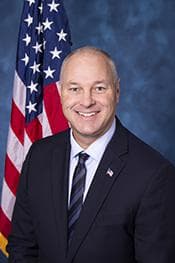
- Introduced
- 7/2/2026
- Last activity
- 7/2/2026 — Referred to the House Committee on Oversight and Government Reform.
- Sponsored by
- Pete Stauber
- Cosponsors
- - 4 - 0
- Introduced
- In Committee
What this bill would do
This bill is known as the Federal Responsibility and Accountability for Unchecked Dereliction Act, or the FRAUD Act. It requires certain State officials to report fraud involving Federal funds to the Director of the Federal Bureau of Investigation within 180 days of receiving a fraud warning. The chief executive of a State must certify that covered officials have substantially complied with this reporting requirement to be eligible to receive Federal funds for a fiscal year. Covered officials who knowingly violate the reporting requirement or obstruct an investigation can face fines, imprisonment for up to 10 years, or both. An agency head may also prohibit a convicted official from overseeing the distribution of Federal funds. Nothing in the Act authorizes the Federal Government to remove a State official from elected office or violate principles of federalism.
Yes· 3 of 4
Does this make what the government does easier for the public to see?+6
Enhances government transparency and accountability by penalizing the concealment of fraud involving federal funds.
Does this make the government pay for what it commits to?+5
Enhances fiscal responsibility by requiring state officials to report and address fraud involving federal funds.
Does this reduce what the federal government spends?+3
Improves oversight and reduces waste of federal funds by cracking down on fraud.
The opposite
No question was scored the opposite.
Who it would affect, and how
Potential Positive Impacts for People
-
Section 2(a) requires covered State officials to report fraud warnings involving covered Federal funds to the Director of the Federal Bureau of Investigation within 180 days. This ensures that allegations supported by documentary evidence regarding the misuse, theft, diversion, or improper expenditure of at least $250,000 are brought to federal attention.
-
Section 2(b) requires the chief executive of a State to certify that covered officials have substantially complied with the reporting requirement in order for the State to be eligible to receive Federal funds for a fiscal year. This holds elected and appointed leaders accountable for addressing fraud within their administration.
-
Section 2(c) establishes criminal penalties, including fines and up to 10 years imprisonment, for covered officials who knowingly violate reporting requirements or obstruct investigations into fraud. This provides a strong deterrent against hiding or ignoring the misuse of taxpayer money.
Potential Negative Impacts for People
-
Section 2(c) creates a new criminal offense punishable by fines, imprisonment for not more than 10 years, or both, for covered officials who knowingly violate the reporting rule or obstruct an investigation. This could place a heavy legal burden on State officials who fail to meet the strict statutory timelines or requirements.
-
Section 2(b) makes the receipt of Federal funds for a fiscal year conditional upon the State chief executive certifying that covered officials have substantially complied with the reporting mandate. If officials fail to comply, the resulting loss of Federal funds could negatively impact individuals and groups in the State who rely on those programs.
Groups and Interests Ranking
Every group the model scored this bill for, from -10 to +10. Hover a score for the reason it gave.
- Economy And Finance
- Improves Fiscal Responsibility+5Reduces Government Spending+3
- Governance And Ideology
- Improves Government Transparency+6Increases Federal Power+2
- 7/14/2026
- 1 Cosponsor added.
- 7/2/2026
- Referred to the House Committee on Oversight and Government Reform.
- 3 Cosponsors added.
- Introduced in House
 Tom Emmer
Republican · Minnesota
 Michelle Fischbach
Republican · Minnesota
 Brad Finstad
Republican · Minnesota
 Abraham Hamadeh
Republican · Arizona