Bill · H.R. 9587· House(119-HR-9587)
Summer Meals REACH Act of 2026
- Introduced
- 7/2/2026
- Last activity
- 7/2/2026 — Referred to the House Committee on Education and Workforce.
- Sponsored by
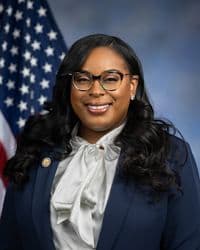
- LaMonica McIver
- Cosponsors
- - 1 - 0
- Introduced
- In Committee
What this bill would do
This bill is known as the Summer Meals Reaching Every Area's Child Hunger Act of 2026, or the Summer Meals REACH Act of 2026. It amends the Richard B. Russell National School Lunch Act to change rules under the summer food service program for children. Specifically, the bill allows program meals to be served in a noncongregate manner. It also makes all children eligible to participate in the program. Additionally, the legislation allows food service monitoring to be conducted either onsite or offsite. Finally, the bill directs the Secretary to promulgate regulations to carry out these changes.
Yes· 3 of 5
Would children be better off under this?+8
The bill ensures universal eligibility for summer meal programs and allows noncongregate meals, directly benefiting children's nutrition.
Would households on low incomes be better off under this?+8
Universal summer meal access and noncongregate options provide critical nutritional support for low-income families.
Is this likely to lift people out of poverty?+7
The bill expands food assistance for children during the summer, helping reduce child hunger and poverty.
The opposite
No question was scored the opposite.
Who it would affect, and how
Potential Positive Impacts for People
-
Universal Eligibility: Section 2(a)(1)(B) adds that all children shall be eligible to participate in the program. This is positive because it ensures that no child is excluded from receiving food assistance during the summer.
-
Noncongregate Meals: Section 2(a)(1)(E)(i) states that program meals may be made available for noncongregate consumption beginning no later than the first summer after the bill is enacted. This could be a benefit for families who cannot easily travel to a group site to pick up meals.
-
Flexible Monitoring: Section 2(a)(1)(C)(iii) allows food service monitoring to be conducted onsite or offsite. This might be considered positive as it provides administrative flexibility for organizations running the program.
Potential Negative Impacts for People
- Lack of Negative Impacts Found in Text: Based strictly on the provided text, there are no specific sections or provisions identified that outline negative consequences or burdens for individuals or groups of people in the United States.
Groups and Interests Ranking
Every group the model scored this bill for, from -10 to +10. Hover a score for the reason it gave.
- Demographic And Interest Groups
- Good For Children+8Good For Low Income Households+8Good For Rural Residents+6Good For Middle Class Households+5
- Social Issues And Justice
- Improves Poverty Reduction+7
- 7/2/2026
- Referred to the House Committee on Education and Workforce.
- 1 Cosponsor added.
- Introduced in House
One bill Congress.gov lists as related to this one — companions in the other chamber, earlier versions, and bills this one absorbed or was folded into.
 Jahana Hayes
Democrat · Connecticut