Bill · H.R. 9539· House(119-HR-9539)
Online Accessibility Act
- Introduced
- 6/30/2026
- Last activity
- 6/30/2026 — Referred to the House Committee on Energy and Commerce.
- Sponsored by
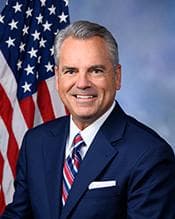
- Mark Alford
- Cosponsors
- - 0 - 1
- Introduced
- In Committee
What this bill would do
This bill updates the Americans with Disabilities Act of 1990 to cover private consumer-facing websites and mobile apps. It sets rules for digital accessibility, largely pointing to Web Content Accessibility Guidelines, while allowing equivalent alternative access if websites are not fully compliant. The Access Board and the Attorney General are tasked with creating specific rules, timelines, and complaint procedures. Before taking legal action, individuals must give website owners notice and time to fix the problem. Finally, the bill outlines penalties for violations and grants individuals the right to sue after exhausting these administrative steps.
Yes· 3 of 9
Would people with disabilities be better off under this?+10
The bill directly enhances digital inclusion and legal protections for individuals with disabilities across online and mobile platforms.
Does this expand the rights of people with disabilities?+9
The legislation directly expands the Americans with Disabilities Act to cover consumer-facing websites and mobile applications, heavily strengthening rights for people with disabilities.
Does this get reliable internet to more people?+8
The legislation mandates that consumer-facing websites and mobile applications are fully accessible to individuals with disabilities or provide alternative access.
The opposite
Does this protect the right to fair treatment by the courts?-3
The bill implements strict procedural hurdles, such as mandatory administrative exhaustion and pleading requirements with particularity before individuals can sue.
Would business owners be better off under this?-2
Private business owners face potential compliance costs and legal penalties if their websites or apps fail accessibility standards.
Does this leave more decisions to the states?-2
The bill creates a unified federal standard that may limit or supersede various state or local accessibility enforcement mechanisms unless specifically certified.
Who it would affect, and how
Potential Positive Impacts for People
-
Section 601(a): This provision ensures that individuals with disabilities are not excluded from participating in, denied benefits from, or discriminated against by private consumer-facing websites and mobile applications. This is positive because it promotes equal digital access for everyday services.
-
Section 601(b)(2): If a website or app does not fully meet standard compliance guidelines, owners must provide an equivalent alternative means of access. This benefits users by ensuring they can still access necessary content even if the main digital platform is not fully updated.
-
Section 601(c)(3): Regulations issued under this section must include flexibility for small business concerns. This helps protect smaller local businesses from overwhelming financial burdens while still working toward accessibility.
Potential Negative Impacts for People
-
Section 602(b): Individuals are required to give private website or app owners a 60-day notice before filing a complaint, and must wait through additional investigation and determination timelines. This process can cause significant delays for people seeking to address accessibility barriers.
-
Section 603(a): Individuals filing a civil action must plead with particularity each element of their claim, including specific barriers to access. This strict legal requirement might create a challenging hurdle for everyday people trying to represent themselves in court without legal assistance.
Groups and Interests Ranking
Every group the model scored this bill for, from -10 to +10. Hover a score for the reason it gave.
- Demographic And Interest Groups
- Good For People With Disabilities+10Good For Retirees+5Good For Seniors+5Good For Business Owners-2
- Education And Technology
- Improves Internet Access+8Increases Big Tech Regulation+6
- Economy And Finance
- Improves Consumer Protection+7Improves Small Business Support+2
- Social Issues And Justice
- Improves Disability Rights+9
- Governance And Ideology
- Increases Federal Power+4Improves Due Process-3Increase States Rights-2
- 6/30/2026
- Referred to the House Committee on Energy and Commerce.
- 1 Cosponsor added.
- Introduced in House
 J. Correa
Democrat · California