Bill · H.R. 9515· House(119-HR-9515)
MFA Act
- Introduced
- 6/29/2026
- Last activity
- 6/29/2026 — Referred to the House Committee on Energy and Commerce.
- Sponsored by
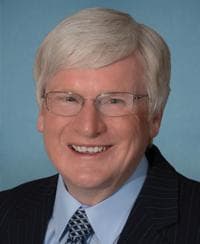
- Glenn Grothman
- Cosponsors
- - 3 - 0
- Introduced
- In Committee
What this bill would do
This bill is called the Marketplace Fraud Accountability Act, or the MFA Act. It requires the use of multi-factor authentication to access certain information through healthcare.gov. Under the bill, the Secretary must require this authentication within one year of the bill's enactment. This rule applies to individuals attempting to enroll in a qualified health plan or access personalized enrollment information. There are exceptions for individuals who lack broadband or cellular service, or who cannot use multi-factor authentication for reasons specified by the Secretary. Multi-factor authentication is defined as verifying two or more factors, which include knowledge factors like passwords, possession factors like tokens, or inherence factors like biometric characteristics.
Yes· 3 of 8
Does this better protect the country from computer attacks?+5
Mandates multi-factor authentication to secure user accounts and data on federal healthcare platforms.
Does this give people more control over their personal data?+4
Requires multi-factor authentication, reinforcing the data security and privacy of users' health plan information.
Does this protect people from being watched or searched?+3
Enhances the protection of private personal health information against unauthorized access and fraud.
The opposite
No question was scored the opposite.
Who it would affect, and how
Potential Positive Impacts for People
-
Enhanced Account Security: Section 2(a) requires the use of multi-factor authentication to verify the identity of individuals attempting to enroll in a qualified health plan or access personalized information through healthcare.gov. This might be considered positive because it adds extra layers of security—such as passwords, tokens, or biometrics—to protect people's private healthcare information.
-
Protections for Those Without Access: Section 2(a) provides exceptions for individuals who do not have access to broadband service or cellular service, or who are otherwise unable to use multi-factor authentication for reasons specified by the Secretary. This could be viewed as a positive outcome because it ensures that people without the necessary technology or service are not completely blocked from accessing healthcare options.
Potential Negative Impacts for People
- Access Barriers: Section 2(a) mandates the use of multi-factor authentication, which relies on verification methods like knowledge, possession, or inherence factors, to access healthcare.gov for enrollment or personalized information. This might be considered a burden or negative consequence for individuals who struggle with or dislike these technological steps, even though exceptions exist for specific connectivity issues.
Groups and Interests Ranking
Every group the model scored this bill for, from -10 to +10. Hover a score for the reason it gave.
- National Security And Foreign Policy
- Improves Cybersecurity Defense+5
- Education And Technology
- Improves Data Privacy+4
- Governance And Ideology
- Improves Privacy Rights+3Increases Federal Power+1
- Healthcare
- Increases Affordable Care Act Support+2Improves Healthcare Access+1
- Economy And Finance
- Improves Consumer Protection+2
- Demographic And Interest Groups
- Good For Rural Residents+1
- 8/20/2026
- 1 Cosponsor added.
- 6/29/2026
- Referred to the House Committee on Energy and Commerce.
- 2 Cosponsors added.
- Introduced in House
 Jodey Arrington
Republican · Texas
 Randy Fine
Republican · Florida
 Thomas Tiffany
Republican · Wisconsin