Bill · H.R. 9501· House(119-HR-9501)
AI Tax Integrity Act of 2026
- Introduced
- 6/29/2026
- Last activity
- 9/8/2026 — Placed on the Union Calendar, Calendar No. 701.
- Sponsored by
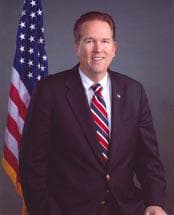
- Vern Buchanan
- Cosponsors
- - 2 - 1
- Introduced
- On Calendar
What this bill would do
This bill, known as the AI Tax Integrity Act of 2026, requires the Secretary of the Treasury to set up a pilot program using artificial intelligence. The goal of this program is to spot inaccurate tax returns caused by identity theft, fraudulent claims, or improperly prepared returns by third parties. This pilot program will run for at least 18 months and up to two years. After it ends, the Comptroller General must submit a report to specific congressional committees. This report will describe the amount of improper refunds found, the money recovered by the government, and how accurate the artificial intelligence tools were.
Yes· 3 of 8
Does this reduce what the federal government spends?+2
The program aims to recover funds from fraudulent claims and improper refunds.
Does this make the government pay for what it commits to?+2
By detecting fraudulent returns, the bill helps ensure tax revenues are accurately collected.
Does this raise the taxes companies pay?+1
The bill targets fraudulent claims for tax credits and deductions made by business taxpayers.
The opposite
Would business owners be better off under this?-1
The bill includes provisions to identify fraudulent claims made by business taxpayers.
Does this protect people from being watched or searched?-1
The use of AI to scan tax returns for fraud may increase government surveillance of individual financial data.
Who it would affect, and how
Potential Positive Impacts for People
-
Section 2(a) requires the creation of a pilot program using artificial intelligence to catch tax fraud, including identity theft and fraudulent claims. This could benefit everyday taxpayers by helping crack down on crooks who steal identities and cheat the tax system.
-
Section 2(c) requires a report to Congress detailing how much money was recovered and how accurate the artificial intelligence tools were. This holds our officials and government programs accountable by showing the public whether this technology actually works and saves money.
Potential Negative Impacts for People
- Based on the provided text, there are no specific sections or provisions identified that create negative consequences, burdens, or harms for individuals or groups of people in the United States.
Groups and Interests Ranking
Every group the model scored this bill for, from -10 to +10. Hover a score for the reason it gave.
- Economy And Finance
- Improves Fiscal Responsibility+2Reduces Government Spending+2Increases Corporate Taxes+1
- Demographic And Interest Groups
- Good For High Income Households+1Good For Low Income Households+1Good For Middle Class Households+1Good For Business Owners-1
- Education And Technology
- Increases Scientific Research Funding+1
- Governance And Ideology
- Improves Government Transparency+1Improves Privacy Rights-1
- 9/8/2026
- Reported (Amended) by the Committee on Ways and Means. H. Rept. 119-801.
- Placed on the Union Calendar, Calendar No. 701.
- 7/1/2026
- Committee Consideration and Mark-up Session Held
- Ordered to be Reported in the Nature of a Substitute by the Yeas and Nays: 40 - 0.
- 6/29/2026
- Referred to the House Committee on Ways and Means.
- 3 Cosponsors added.
- Introduced in House
 Aaron Bean
Republican · Florida
 Steven Horsford
Democrat · Nevada
 David Schweikert
Republican · Arizona