Bill · H.R. 9491· House(119-HR-9491)
Prison to Proprietorship Act
- Introduced
- 6/25/2026
- Last activity
- 6/25/2026 — Referred to the House Committee on Small Business.
- Sponsored by
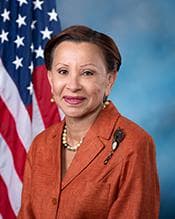
- Nydia Velázquez
- Cosponsors
- None
- Introduced
- In Committee
What this bill would do
This bill, known as the "Prison to Proprietorship Act," aims to amend the Small Business Act. It focuses on providing entrepreneurship counseling and training to incarcerated individuals in Federal prisons. The Administrator would develop a plan to match these individuals with women's business centers and small business development centers. The training includes business plan development, financial literacy, and skills for starting a small business. Priority is given to those nearing release from Federal custody. The goal is to provide tools and knowledge to help individuals identify business opportunities and access capital.
Yes· 3 of 5
Does this make it easier to run a small business?+6
The bill expands the reach of women's business centers and small business development centers by integrating them into the federal prison system.
Is this likely to create jobs?+5
The bill provides entrepreneurship training and business plan assistance to help individuals start small businesses.
Would households on low incomes be better off under this?+5
The training provides practical tools for self-employment and business ownership to those currently incarcerated.
The opposite
No question was scored the opposite.
Who it would affect, and how
Potential Positive Impacts for People
-
Entrepreneurship Training: Incarcerated individuals can receive in-depth training on how to start or expand a small business concern (Section 2(c)(1)).
-
Skill Development: The bill provides tools and knowledge to help individuals draft resumes, create business plans, and identify sources of capital (Section 2(c)(2)).
-
Comprehensive Learning: Participants can access self-study manuals and five two-day classroom sessions covering financial literacy and business language (Section 2(d)).
-
Individualized Support: The program includes one-on-one training to help develop specific business plans and strategies (Section 2(d)(4)).
-
Continued Support After Release: Individuals receiving these services may continue to receive them after they are released from Federal custody (Section 2(g)).
Potential Negative Impacts for People
-
Limited Scope of Eligibility: The benefits are only available to "covered individuals," which are defined strictly as those in Federal prisons designated as minimum, low, or medium security (Section 2(l)).
-
Reliance on Funding: The ability to carry out the program and award grants is subject to the availability of appropriations (Section 2(h) and Section 2(m)).
Groups and Interests Ranking
Every group the model scored this bill for, from -10 to +10. Hover a score for the reason it gave.
- Economy And Finance
- Improves Small Business Support+6Increases Job Creation+5
- Demographic And Interest Groups
- Good For Low Income Households+5Good For Women+3
- Social Issues And Justice
- Improves Poverty Reduction+4
- 6/25/2026
- Referred to the House Committee on Small Business.
- Introduced in House