Bill · H.R. 9488· House(119-HR-9488)
Health Disparity Zones Act of 2026
- Introduced
- 6/25/2026
- Last activity
- 6/25/2026 — Referred to the Committee on Energy and Commerce, and in addition to the Committee on Ways and Means, for a period to be subsequently determined by the Speaker, in each case for consideration of such provisions as fall within the jurisdiction of the committee concerned.
- Sponsored by
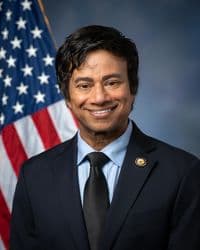
- Shri Thanedar
- Cosponsors
- None
- Introduced
- In Committee
What this bill would do
The bill, known as the Health Disparity Zones Act of 2026, directs the Secretary of Health and Human Services to designate specific geographic areas as Health Disparity Zones. These zones are intended to reduce health disparities and improve health outcomes in areas with documented poor health indicators. To achieve this, the legislation establishes tax incentives, grant programs, and student loan repayments for qualified health practitioners. It also provides a 10-percent increase in Medicare Part B payments for items and services furnished within these zones. Finally, the program lasts for 10 fiscal years, during which the Secretary must report annually to Congress on its implementation and results.
Yes· 3 of 48
Does this make health care easier to get in general?+8
The core purpose of the legislation is to designate and resource Health Disparity Zones to improve healthcare delivery.
Would households on low incomes be better off under this?+6
Focuses heavily on areas with average incomes below 150 percent of the Federal poverty line.
Would Black Americans be better off under this?+5
Directly addresses documented racial and ethnic health disparities in underserved communities.
The opposite
Does this reduce what the federal government owes?-2
The bill authorizes the appropriation of such sums as necessary for 10 years, increasing federal spending.
Does this reduce what the federal government spends?-2
Authorizes significant new federal spending for grants, loan repayments, and Medicare payment increases.
Does this make the government pay for what it commits to?-1
Creation of multiple new grant and subsidy programs increases ongoing federal financial commitments.
Who it would affect, and how
Potential Positive Impacts for People
-
Financial Relief for Workers and Employers: Under Section 4, the bill provides tax credits for qualified Health Disparity Zone workers and work opportunity tax credits for employers hiring workers whose primary duties promote healthcare access in these zones, which can help put more money in the pockets of workers and incentivize job creation.
-
Grants for Community Health Improvements: Under Section 5, the Secretary may award grants to community-based organizations or local government agencies to fund innovative strategies, such as mobile health and dental clinics, patient transportation to medical appointments, and improved access to healthy food, recreation, and housing.
-
Student Loan Assistance for Practitioners: Under Section 6, the Secretary will run a student loan repayment program for eligible health practitioners who agree to provide healthcare services in a Health Disparity Zone, paying up to $10,000 per year and up to $100,000 total per practitioner.
-
Boosted Medicare Payments: Under Section 7, payment rates for items and services payable under Medicare Part B and furnished within a Health Disparity Zone will be increased by 10 percent, while ensuring that patient cost-sharing requirements are calculated as if this increase did not apply.
Potential Negative Impacts for People
- Potential Taxpayer Burden: Under Section 10, the bill authorizes the appropriation of such sums as may be necessary for the period of 10 fiscal years following the enactment of the Act, which relies on federal funding that could increase the financial burden on taxpayers.
Groups and Interests Ranking
Every group the model scored this bill for, from -10 to +10. Hover a score for the reason it gave.
- Demographic And Interest Groups
- Good For Low Income Households+6Good For African Americans+5Good For Hispanic Americans+5Good For Retirees+4Good For Rural Residents+4Good For Seniors+4Good For Asian Americans+3Good For Business Owners+3Good For Children+3Good For Immigrants+3Good For Native Americans+3Good For Students+3Good For Urban Residents+3Good For Veterans+3Good For Farmers+2Good For Men+2Good For Middle Aged+2Good For Middle Class Households+2Good For People With Disabilities+2Good For White Americans+2Good For Young Adults+2Good For L G B T Q Community+1Good For Union Workers+1
- Healthcare
- Improves Healthcare Access+8Improves Mental Health Access+4Increases Medicare Funding+4Improves Opioid Crisis Response+2Increases Medicaid Funding+2Improves Pandemic Preparedness+1Improves Veterans Healthcare+1Reduces Hospital Costs+1
- Social Issues And Justice
- Improves Racial Equity+4Improves Poverty Reduction+3Improves Affordable Housing+2Improves Gender Equality+1Reduces Homelessness+1
- Economy And Finance
- Improves Small Business Support+3Increases Job Creation+3Reduces Middle Class Taxes+2Improves Economic Growth+1Reduces Small Business Taxes+1Reduces Government Spending-2Reduces National Debt-2Improves Fiscal Responsibility-1
- Education And Technology
- Improves Student Loan Relief+5
- Environment Energy And Infrastructure
- Improves Rural Development+3Improves Public Transit+2
- Governance And Ideology
- Improves Government Transparency+2Increases Federal Power+2Increase States Rights+1
- National Security And Foreign Policy
- Improves Veterans Benefits+1
- 6/25/2026
- Referred to the Committee on Energy and Commerce, and in addition to the Committee on Ways and Means, for a period to be subsequently determined by the Speaker, in each case for consideration of such provisions as fall within the jurisdiction of the committee concerned.
- Introduced in House