Bill · H.R. 9475· House(119-HR-9475)
National Task Force on Caregiving Youth of Veterans Act.
- Introduced
- 6/25/2026
- Last activity
- 6/30/2026 — Referred to the Subcommittee on Health.
- Sponsored by
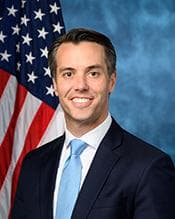
- Morgan McGarvey
- Cosponsors
- None
- Introduced
- In Committee
What this bill would do
This bill establishes the National Task Force on Caregiving Youth to support young people providing unpaid care to veterans and members of the Armed Forces. The Secretary of Veterans Affairs is tasked with creating this group, which includes representatives from various federal departments and non-profit organizations. The Task Force is required to conduct a national study to understand the socio-economic impacts and service gaps facing these youths. It is also charged with developing policy recommendations regarding financial assistance, school-based resources, and mental health support. Additionally, the group will consult with stakeholders and explore the creation of a standardized database. The Task Force is scheduled to terminate five years after the act is enacted.
Yes· 3 of 10
Would children be better off under this?+5
The bill specifically targets the support and resource needs of youths under the age of 26.
Would people in their twenties and thirties be better off under this?+5
The bill aims to address academic disruption and economic opportunities for caregiving youths under age 26.
Does this make mental health care easier to get?+5
The bill directs the task force to recommend integrating trauma-informed care to improve mental health support for caregiving youths.
The opposite
No question was scored the opposite.
Who it would affect, and how
Potential Positive Impacts for People
-
Improved Recognition and Support: The bill aims to develop policy and programmatic solutions to ensure caregiving youths receive appropriate recognition and assistance (Section 2, Subsection 6).
-
Academic and Financial Assistance: The Task Force is tasked with developing recommendations for school-based resources, scholarship programs, and financial assistance models (Section 3, Subsection e, Paragraph 3).
-
Mental Health Improvements: The bill seeks to improve mental health support by integrating trauma-informed care into the frameworks of relevant federal departments (Section 3, Subsection e, Paragraph 3).
-
Addressing Service Gaps: Through a national study, the Task Force will identify geographic disparities in access to support and gaps in available services (Section 3, Subsection e, Paragraph 1).
-
Direct Stakeholder Input: The establishment of a Caregiving Youth Advisory Council will allow advocates to host quarterly roundtables to provide front-line perspectives to federal agencies (Section 3, Subsection e, Paragraph 5).
Potential Negative Impacts for People
- No specific negative impacts or burdens are explicitly stated within the text of the bill.
Groups and Interests Ranking
Every group the model scored this bill for, from -10 to +10. Hover a score for the reason it gave.
- Demographic And Interest Groups
- Good For Children+5Good For Young Adults+5Good For Low Income Households+3Good For Veterans+3
- Healthcare
- Improves Mental Health Access+5
- Education And Technology
- Improves College Affordability+4
- National Security And Foreign Policy
- Improves Veterans Benefits+3
- Economy And Finance
- Improves Economic Growth+1Increases Job Creation+1
- Social Issues And Justice
- Improves Poverty Reduction+2
- 6/30/2026
- Referred to the Subcommittee on Health.
- 6/25/2026
- Referred to the Committee on Veterans' Affairs, and in addition to the Committee on Armed Services, for a period to be subsequently determined by the Speaker, in each case for consideration of such provisions as fall within the jurisdiction of the committee concerned.
- Introduced in House