Bill · H.R. 9446· House(119-HR-9446)
VA Health Care Capacity Assessment Act
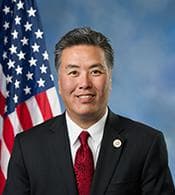
- Introduced
- 6/24/2026
- Last activity
- 6/30/2026 — Referred to the Subcommittee on Health.
- Sponsored by
- Mark Takano
- Cosponsors
- None
- Introduced
- In Committee
What this bill would do
This bill is known as the VA Health Care Capacity Assessment Act. It requires the Secretary of Veterans Affairs to report biennially on the staffing of Department of Veterans Affairs medical facilities. The first report is due not later than 180 days after the enactment of the Act, and subsequent reports are due by December 31 of each even-numbered year. These reports must be submitted to the Committees on Veterans' Affairs of the Senate and House of Representatives. The legislation mandates system-wide assessments, plans to address issues, current wait times and workload levels, and details on staffing models and succession planning. It also requires tracking of health care providers who have left their positions.
Yes· 3 of 11
Would veterans be better off under this, taking everything together?+7
The legislation directly aims to improve care access, reduce wait times, and address staffing shortages at VA medical facilities for veterans.
Does this help veterans get medical care?+6
The bill mandates biennial assessments and plans to address staffing, wait times, and capacity at VA medical facilities to improve care for veterans.
Does this make what the government does easier for the public to see?+5
The bill increases transparency by requiring detailed biennial reports on VA facility staffing, wait times, and leadership vacancies.
The opposite
No question was scored the opposite.
Who it would affect, and how
Potential Positive Impacts for People
-
Section 2(b)(1): This provision requires a system-wide assessment of all Department medical facilities to ensure appropriate staffing levels for health care professionals and support personnel, appropriate clinical panel sizes, dedicated direct care staff, and physical plant space. This could benefit veterans by helping the Secretary meet goals for timely access to care.
-
Section 2(b)(2): This provision requires a plan and timeline for addressing any issues identified in the system-wide assessment. This could benefit individuals by holding officials accountable for fixing identified staffing and capacity problems.
-
Section 2(b)(3): This provision requires a list of current wait times and workload levels for mental health, primary care, gastroenterology, and women's health clinics in each medical facility. This provides transparency regarding the current state of specific clinics that people rely on.
-
Section 2(b)(4): This provision requires a plan to use direct appointment authority to fill staffing shortages and make recommendations for improving credentialing and privileging speeds. This could help speed up the process of getting qualified staff into positions to serve people.
-
Section 2(b)(6): This provision requires a detailed analysis of succession planning, including plans for filling positions vacant or filled by temporary employees for more than 180 days and handling emergency circumstances for senior officials. This could benefit the public by ensuring leadership stability and continuity of operations at medical facilities.
Potential Negative Impacts for People
- No Negative Impacts Identified: Based strictly on the text provided in the bill, there are no specific provisions that outline negative consequences or burdens for individuals or groups of people in the United States.
Groups and Interests Ranking
Every group the model scored this bill for, from -10 to +10. Hover a score for the reason it gave.
- Demographic And Interest Groups
- Good For Veterans+7Good For Retirees+4Good For Seniors+4Good For People With Disabilities+3Good For Women+3
- Healthcare
- Improves Veterans Healthcare+6Improves Healthcare Access+4Improves Mental Health Access+3
- Governance And Ideology
- Improves Government Transparency+5Increases Federal Power+2
- National Security And Foreign Policy
- Improves Veterans Benefits+5
- 6/30/2026
- Referred to the Subcommittee on Health.
- 6/24/2026
- Referred to the House Committee on Veterans' Affairs.
- Introduced in House