Bill · H.R. 9435· House(119-HR-9435)
EXCLAVE Act of 2026
- Introduced
- 6/24/2026
- Last activity
- 6/24/2026 — Referred to the House Committee on the Judiciary.
- Sponsored by
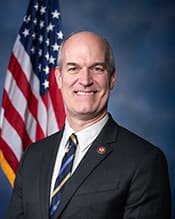
- Rick Larsen
- Cosponsors
- - 0 - 1
- Introduced
- In Committee
What this bill would do
This bill, known as the "EXCLAVE Act of 2026," seeks to amend title 5 of the United States Code. It focuses on requiring federal agencies to consult with residents of pene-exclaves during the rulemaking process. A pene-exclave is defined as a region accessible by land only through a foreign country, excluding areas separated only by impassable terrain. If a proposed rule imposes a unique burden on these residents, agencies must provide notice and hold specific public meetings. The bill also requires agencies to respond to resident comments in the final rule publication. Additionally, the Office of Management and Budget must establish a list of these regions and their officials.
Yes· 3 of 6
Would people in rural areas be better off under this?+5
The bill provides a specific mechanism for residents in remote pene-exclaves to have their voices heard by federal agencies.
Does this make what the government does easier for the public to see?+5
The bill requires agencies to publish meeting minutes and responses to resident comments in the Federal Register.
Does this make it easier to run a small business?+3
The bill protects the ability of residents in pene-exclaves to conduct trade or business by requiring consultation on unique regulatory burdens.
The opposite
No question was scored the opposite.
Who it would affect, and how
Potential Positive Impacts for People
-
Enhanced Voice for Remote Communities: The bill requires agencies to hold public meetings exclusively for residents of a pene-exclave to submit data, views, or arguments regarding unique burdens (Section 2, paragraph 2A). This ensures that people living in these unique geographic areas have a direct way to have their concerns heard.
-
Increased Accountability through Documentation: Agencies must record all communications and meeting minutes, then publish these records in the Federal Register (Section 2, paragraph 2C). This creates a public paper trail of the concerns raised by these communities.
-
Direct Agency Responses: The bill mandates that in the publication of a final rule, the agency must include a response to each comment received or made at a meeting by a resident of the pene-exclave (Section 2, paragraph 3). This ensures that resident input is addressed rather than ignored.
-
Protection of Essential Needs: The bill recognizes "unique burdens" that affect a person's ability to access emergency management, veterinary care, food, health care, or any other necessity of life (Section 2, paragraph 5A). By requiring consultation when these burdens are at risk, the bill aims to protect the basic well-being of these residents.
-
Facilitated Communication: The process includes providing notice of meetings to relevant State, county, Tribal, and local government officials (Section 2, paragraph 2B), and requires the OMB to establish a process for identifying relevant comments (Section 2, paragraph 4).
Potential Negative Impacts for People
- No specific negative impacts are explicitly detailed within the text of the bill.
Groups and Interests Ranking
Every group the model scored this bill for, from -10 to +10. Hover a score for the reason it gave.
- Demographic And Interest Groups
- Good For Rural Residents+5Good For Low Income Households+2
- Governance And Ideology
- Improves Government Transparency+5
- Economy And Finance
- Improves Small Business Support+3
- Healthcare
- Improves Healthcare Access+3
- Social Issues And Justice
- Improves Poverty Reduction+2
- 6/24/2026
- Referred to the House Committee on the Judiciary.
- 1 Cosponsor added.
- Introduced in House
 Pete Stauber
Republican · Minnesota