Bill · H.R. 9411· House(119-HR-9411)
Next Mission Act
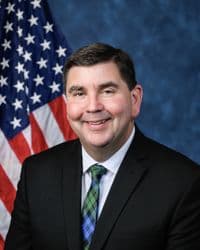
- Introduced
- 6/23/2026
- Last activity
- 6/23/2026 — Referred to the House Committee on Armed Services.
- Sponsored by
- John Mannion
- Cosponsors
- - 0 - 2
- Introduced
- In Committee
What this bill would do
The Next Mission Act directs the Secretary of Defense to establish a program that awards multiyear grants to private, nonprofit organizations. These entities will provide supplemental services to help covered individuals transition into civilian life. Services include employment assessments, preparation for civilian jobs, industry-specific learning pathways, and job placement. Eligible entities must have a record of successful career services and the ability to train online. The program includes specific performance metrics to track the success of the participants. The authority for this grant program terminates three years after its implementation.
Yes· 3 of 7
Would veterans be better off under this, taking everything together?+6
The bill specifically targets the career transition needs of service members and their spouses through specialized services.
Does this increase the pay, pensions or support veterans receive?+5
The bill provides supplemental career and educational services to help military members transition to civilian life.
Would people in rural areas be better off under this?+3
The requirement for online training capabilities is intended to reach and benefit participants in rural areas.
The opposite
Does this reduce what the federal government spends?-1
The bill establishes a new grant program which increases government spending for a three-year period.
Who it would affect, and how
Potential Positive Impacts for People
-
Cost-free services for individuals: The bill mandates that services must be provided at no cost to covered individuals, which includes members of the Armed Forces in the Transition Assistance Program and their spouses (Section 2(c)).
-
Career preparation and assistance: Individuals can receive help with mock interviews, salary negotiation, and using professional networking platforms (Section 2(c)(2)).
-
Targeted career pathways: The program provides industry-specific learning pathways that help individuals choose a career, navigate training requirements, and apply their military skills to civilian roles (Section 2(c)(3)).
-
Access to credentials: The services include coursework or training required for industry-recognized credentials and certifications (Section 2(c)(3)(E)).
-
Increased reach through technology: By requiring eligible entities to be able to train online, the bill aims to reach rural participants and reduce costs (Section 2(b)(5)).
Potential Negative Impacts for People
-
Limited scope of individuals: The benefits are limited to "covered individuals," defined as members of the Armed Forces participating in the Transition Assistance Program and their spouses (Section 2(j)).
-
Limited duration of program: The authority to provide these grants terminates three years after the Secretary implements the program (Section 2(h)).
Groups and Interests Ranking
Every group the model scored this bill for, from -10 to +10. Hover a score for the reason it gave.
- Demographic And Interest Groups
- Good For Veterans+6Good For Rural Residents+3Good For Low Income Households+2
- National Security And Foreign Policy
- Improves Veterans Benefits+5
- Economy And Finance
- Increases Job Creation+3Reduces Government Spending-1
- Education And Technology
- Improves College Affordability+2
- Social Issues And Justice
- Improves Poverty Reduction+2
- 7/9/2026
- 1 Cosponsor added.
- 6/23/2026
- Referred to the House Committee on Armed Services.
- 1 Cosponsor added.
- Introduced in House
 Brian Fitzpatrick
Republican · Pennsylvania
 Nick LaLota
Republican · New York