Bill · H.R. 9403· House(119-HR-9403)
JROTC POWER Act
- Introduced
- 6/23/2026
- Last activity
- 6/23/2026 — Referred to the House Committee on Armed Services.
- Sponsored by
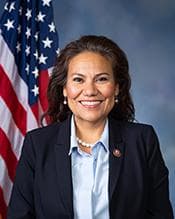
- Veronica Escobar
- Cosponsors
- - 0 - 1
- Introduced
- In Committee
What this bill would do
This bill, known as the "JROTC POWER Act," directs the Secretary of Defense to update guidance for the Junior Reserve Officers' Training Corps (JROTC) program. The update must include an evaluation plan to look at how the JROTC Standardized Instructor Pay Scale, or any future pay system, impacts the recruitment and retention of instructors. The Secretary must also establish standardized metrics to measure recruiting outcomes and retention rates across the military services. Additionally, the Secretary of Defense is required to submit reports to the House and Senate Committees on Armed Services. These reports will provide baseline data, assess the pay scale's effects, and offer recommendations for action.
Yes· 3 of 5
Does this make what the government does easier for the public to see?+3
The bill requires the Secretary of Defense to submit detailed annual reports to Congress regarding instructor pay and retention metrics.
Would people in cities be better off under this?+2
The bill requires monitoring of recruiting and retention outcomes in urban locations.
Would people in rural areas be better off under this?+2
The bill explicitly requires metrics to track recruiting and retention outcomes in rural and geographically isolated locations.
The opposite
No question was scored the opposite.
Who it would affect, and how
Potential Positive Impacts for People
-
Improved Instructor Recruitment and Retention: The bill requires an evaluation of how the JROTC Standardized Instructor Pay Scale affects the ability to attract and keep instructors (Section 2(a)(1)). This could lead to more stable staffing for the JROTC program.
-
Data-Driven Decision Making: By requiring standardized metrics—such as vacancy rates, time-to-hire, and geographic variations—the bill aims to provide a clear picture of the workforce needs in different areas, including rural and high-cost-of-living locations (Section 2(b)(1-3)).
-
Enhanced Oversight and Recommendations: The requirement for annual reports to Congress includes an assessment of pay scale effects and recommendations for legislative or administrative action, which can help ensure the program's leadership is addressing workforce issues effectively (Section 2(c)).
Potential Negative Impacts for People
- No specific negative impacts or burdens are mentioned in the provided text.
Groups and Interests Ranking
Every group the model scored this bill for, from -10 to +10. Hover a score for the reason it gave.
- Demographic And Interest Groups
- Good For Rural Residents+2Good For Urban Residents+2
- Governance And Ideology
- Improves Government Transparency+3
- National Security And Foreign Policy
- Improves Veterans Benefits+2
- Education And Technology
- Increases Public School Funding+1
- 6/23/2026
- Referred to the House Committee on Armed Services.
- 1 Cosponsor added.
- Introduced in House
One bill Congress.gov lists as related to this one — companions in the other chamber, earlier versions, and bills this one absorbed or was folded into.
 Mark Alford
Republican · Missouri