Bill · H.R. 937· House(119-HR-937)
Protecting Taxpayers from Student Loan Bailouts Act
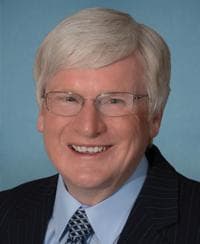
- Introduced
- 2/4/2025
- Last activity
- 2/4/2025 — Referred to the House Committee on Education and Workforce.
- Sponsored by
- Glenn Grothman
- Cosponsors
- - 2 - 0
- Introduced
- In Committee
What this bill would do
This bill, titled the "Protecting Taxpayers from Student Loan Bailouts Act," aims to limit the authority of the Secretary of Education. It focuses on the Secretary's ability to propose or issue regulations and executive actions regarding title IV of the Higher Education Act of 1965. Under this Act, the Secretary must determine if a draft regulation would increase a subsidy cost. If a regulation is deemed economically significant and would increase a subsidy cost, the Secretary is prohibited from issuing it. The bill defines "economically significant" as having an annual effect of $100,000,000 or more or materially affecting various sectors of the economy.
Yes
Does this reduce what the federal government spends?+5
The bill prohibits the Secretary of Education from issuing regulations that would increase subsidy costs if they are economically significant.
Does this leave more decisions to the states?+2
The bill limits federal executive authority over the Higher Education Act by restricting the Secretary's regulatory power.
The opposite· 3 of 4
Does this reduce what student borrowers owe or repay?-6
The bill limits the authority to implement regulations that may provide student loan relief if they increase subsidy costs.
Would students be better off under this?-5
The bill limits the Secretary's ability to implement regulations that could expand student aid or debt relief.
Would people in their twenties and thirties be better off under this?-4
By restricting student loan subsidies, the bill may limit financial assistance available to young adults pursuing higher education.
Who it would affect, and how
Potential Positive Impacts for People
-
Limiting Subsidy Costs: The bill requires the Secretary to determine if a draft regulation would increase a subsidy cost and allows the Secretary to take no further action if it does (Section 2, subsection a). This could prevent the implementation of regulations that increase government spending on subsidies.
-
Restricting Economically Significant Regulations: The Secretary is prohibited from issuing proposed rules, final regulations, or executive actions that are both economically significant and result in an increase in a subsidy cost (Section s, subsection b). This serves as a check on actions that meet the $100,000,000 threshold or materially affect the economy, jobs, or various levels of government (Section 2, subsection d).
Potential Negative Impacts for People
- Restriction of Regulatory Actions: The Secretary may be barred from taking certain actions or issuing regulations if they are determined to be economically significant and increase a subsidy cost (Section 2, subsection b). This could limit the Secretary's ability to implement specific policies related to the Higher Education Act of 1965.
Groups and Interests Ranking
Every group the model scored this bill for, from -10 to +10. Hover a score for the reason it gave.
- Demographic And Interest Groups
- Good For Students-5Good For Low Income Households-4Good For Young Adults-4
- Education And Technology
- Improves Student Loan Relief-6
- Economy And Finance
- Reduces Government Spending+5
- Governance And Ideology
- Increase States Rights+2
- 2/13/2025
- 1 Cosponsor added.
- 2/4/2025
- Referred to the House Committee on Education and Workforce.
- 1 Cosponsor added.
- Introduced in House
 Dusty Johnson
Republican · South Dakota
 Jefferson Van Drew
Republican · New Jersey