Bill · H.R. 936· House(119-HR-936)
Medicaid Improvement and State Flexibility Act of 2025
- Introduced
- 2/4/2025
- Last activity
- 2/4/2025 — Referred to the House Committee on Energy and Commerce.
- Sponsored by
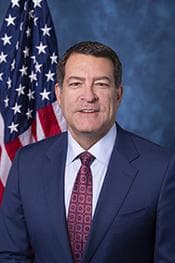
- Mark Green
- Cosponsors
- - 1 - 0
- Introduced
- In Committee
What this bill would do
This bill, known as the "Medicaid Improvement and State Flexibility Act of 2025," seeks to amend title XI of the Social Security Act. It aims to give States the authority to approve and implement specific Medicaid waivers and demonstration projects. Under this plan, individuals could choose to participate in a project where they receive an electronic benefits transfer card for primary care and medications. At the end of the year, the State would provide a cash payment equal to the remaining balance on the card. Additionally, participants would be enrolled in a State-determined catastrophic insurance program. The bill ensures that Federal expenditures remain equal to or less than they would have been without the project.
Yes· 3 of 5
Does this leave more decisions to the states?+6
The bill grants states increased authority to approve and implement specific Medicaid waivers and demonstration projects independently.
Does this make health care easier to get in general?+4
The bill facilitates access to primary care and medications through electronic benefits transfer cards and catastrophic insurance programs.
Would households on low incomes be better off under this?+4
Low-income households may benefit from flexible primary care funding and potential end-of-year cash rebates.
The opposite
Does this make abortion easier to get?-5
The bill prohibits expenditures for abortion coverage except in specific cases of life-threatening emergencies, rape, or incest.
Would women be better off under this?-3
The bill places restrictions on the coverage of abortion services, which may disproportionately impact women's reproductive healthcare access.
Does this reduce what the federal government spends?-1
The bill requires that federal expenditures for these projects must be equal to or less than current expenditure levels.
Who it would affect, and how
Potential Positive Impacts for People
-
Choice in Healthcare Funding: Individuals enrolled under a State plan may elect to participate in experimental, pilot, or demonstration projects (Section 2, subsection (d)(1)(A)(B)(i)).
-
Access to Primary Care and Medications: Participants would be furnished with an electronic benefits transfer card to purchase primary care services and medications (Section s 2, subsection (d)(1)(B)(ii)(I)).
-
Cash Rebates: Individuals who participate may receive a cash payment from the State equal to the amount of funds remaining on their electronic benefits transfer card at the end of the year (Section 2, subsection (d)(1)(B)(ii)(II)).
-
Catastrophic Coverage: Participants would be enrolled in a catastrophic insurance program determined by the State to cover specific services and costs that exceed the amount on the electronic benefits transfer card (Section 2, subsection (d)(1)(B)(ii)(III)).
Potential Negative Impacts for People
- Restrictions on Abortion Coverage: Projects described under this act may not result in expenditures to pay for any abortion or assist in purchasing health benefit coverage that includes coverage of abortion, unless the abortion is necessary to save the life of the mother or results from rape or incest (Section 2, subsection (d)(1)(C)).
Groups and Interests Ranking
Every group the model scored this bill for, from -10 to +10. Hover a score for the reason it gave.
- Governance And Ideology
- Increase States Rights+6
- Social Issues And Justice
- Improves Poverty Reduction+3
- Healthcare
- Improves Healthcare Access+4Increases Medicaid Funding+3Improves Abortion Access-5
- Demographic And Interest Groups
- Good For Low Income Households+4Good For Women-3
- Economy And Finance
- Reduces Government Spending-1
- 2/4/2025
- Referred to the House Committee on Energy and Commerce.
- 1 Cosponsor added.
- Introduced in House
 Josh Brecheen
Republican · Oklahoma