Bill · H.R. 9354· House(119-HR-9354)
Fair Elections Now Act
- Introduced
- 6/18/2026
- Last activity
- 6/18/2026 — Referred to the House Committee on House Administration.
- Sponsored by
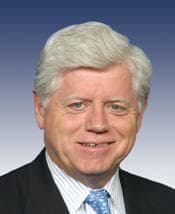
- John Larson
- Cosponsors
- None
- Introduced
- In Committee
What this bill would do
The Fair Elections Now Act aims to reform the financing of House elections by establishing a voluntary public financing system. It creates the Fair Elections Fund to provide specific allocations to participating candidates for primary, general, and runoff elections. The bill also includes matching payments for certain small dollar contributions to encourage political participation. To participate, candidates must meet specific qualifying requirements, such as obtaining a minimum number of qualifying contributions. The legislation includes oversight through a newly established Fair Elections Oversight Board. These changes are intended to reduce the influence of large private campaign contributions and increase election competitiveness.
Yes· 3 of 5
Does this make what the government does easier for the public to see?+6
The bill increases election transparency through required public debates and electronic filing of reports.
Would households on low incomes be better off under this?+5
The bill matches small dollar contributions to empower voters at every level of wealth.
Would middle-income households be better off under this?+3
The bill seeks to reduce the disproportionate influence of monied interests on the political process.
The opposite
Would high-income households be better off under this?-5
The bill restricts the ability of large private contributors to influence elections through significant donations.
Does this reduce what the federal government spends?-2
The bill requires the creation and maintenance of the Fair Elections Fund to pay candidate allocations.
Who it would affect, and how
Potential Positive Impacts for People
-
Restoring Public Confidence and Reducing Conflicts of Interest: By providing the option to replace large private campaign contributions with allocations from the Fair Elections Fund, the bill aims to reduce actual or perceived conflicts of interest and restore public confidence in the integrity of the legislative process (Section 2(b)(1)).
-
Increasing Accountability: The program seeks to increase public confidence in the accountability of Members to their constituents through specific qualifying criteria (Section 2(b)(2)).
-
Empowering Small Donors: The bill facilitates the expression of support by voters at all levels of wealth by matching small dollar contributions, which helps reduce the influence of large campaign contributions (Section 2(b)(3)).
-
Encouraging Competition and Diverse Candidates: The provisions aim to create genuine opportunities for all Americans to run for the House of Representatives and encourage more competitive elections (Section 2(b)(5)).
-
Increasing Time for Public Responsibilities: The act intends to free Members from the constant need to raise money, allowing them more time to focus on their public duties (Section s 2(b)(7)).
Potential Negative Impacts for People
-
Financial Penalties for Non-Compliance: Candidates who violate contribution or expenditure requirements may be assessed a civil penalty of up to three times the amount of the prohibited contribution or expenditure (Section 534(a)).
-
Repayment Requirements: If a candidate's certification is revoked for failing to comply with the requirements or qualifying for the ballot, they must repay all benefits received plus interest (Section 513(b)(2)).
-
Restrictions on Fundraising: Participating candidates are prohibited from accepting contributions from certain sources, which may limit their traditional fundraising methods (Section 521(a)).
-
Mandatory Debate Participation: Certified candidates are required to participate in specific public debates during the election cycle (Section 522).
Groups and Interests Ranking
Every group the model scored this bill for, from -10 to +10. Hover a score for the reason it gave.
- Governance And Ideology
- Improves Government Transparency+6
- Demographic And Interest Groups
- Good For Low Income Households+5Good For Middle Class Households+3Good For Urban Residents+1Good For High Income Households-5
- Economy And Finance
- Reduces Government Spending-2
- Social Issues And Justice
- Improves Poverty Reduction+1
- 6/18/2026
- Referred to the House Committee on House Administration.
- Introduced in House