Bill · H.R. 9303· House(119-HR-9303)
BLANKET Act
- Introduced
- 6/11/2026
- Last activity
- 6/11/2026 — Referred to the House Committee on Financial Services.
- Sponsored by
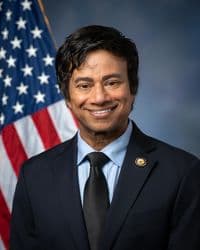
- Shri Thanedar
- Cosponsors
- None
- Introduced
- In Committee
What this bill would do
The BLANKET Act aims to protect people experiencing homelessness during severe weather events. It creates a competitive grant program to help eligible entities expand and improve emergency shelter capacity. These grants can be used for warming and cooling centers, hotel vouchers, staffing, and emergency supplies. The bill authorizes $750 million for each fiscal year from 2027 through 2029. A GAO report will be required after five years to evaluate the program's effectiveness.
Yes· 3 of 32
Is this likely to reduce homelessness?+6
Directly addresses the immediate survival needs of the unsheltered population during severe weather.
Would households on low incomes be better off under this?+5
Directly benefits those at the lowest economic level experiencing homelessness.
Does this make housing cost less?+5
Increases short-term emergency housing capacity through grants and vouchers.
The opposite
Does this reduce what the federal government spends?-5
The bill increases government spending by establishing a new grant program.
Does this reduce what the federal government owes?-2
The bill authorizes new spending of $750 million annually from 2027 to 2029.
Who it would affect, and how
Potential Positive Impacts for People
-
Protection from Severe Weather: The bill identifies that severe storms, heat waves, winter storms, flooding, wildfires, and cold snaps risk the lives of people experiencing homelessness. SEC. 2.
-
Increased Shelter Access: By providing grants to expand emergency shelter capacity, the bill aims to prevent injury, reduce harm, and lower the strain on hospitals and emergency medical services. SEC. 2.
-
Diverse Shelter Options: Grant funds can be used to finance vouchers for non-congregate shelters such as motels and hotels, as well as seasonal warming and cooling centers. SEC. 3(d).
-
Essential Supplies and Support: Funds can be used to buy water, generators, heating and cooling equipment, air filtration, and emergency medical support. SEC. 3(d).
Potential Negative Impacts for People
- Competitive Nature of Funding: Because the grant program is "competitive," not all eligible entities or areas in need will receive funding. SEC. 3(a).
Groups and Interests Ranking
Every group the model scored this bill for, from -10 to +10. Hover a score for the reason it gave.
- Demographic And Interest Groups
- Good For Low Income Households+5Good For People With Disabilities+4Good For Urban Residents+4Good For African Americans+3Good For Asian Americans+3Good For Children+3Good For Hispanic Americans+3Good For Immigrants+3Good For L G B T Q Community+3Good For Men+3Good For Middle Aged+3Good For Native Americans+3Good For Retirees+3Good For Rural Residents+3Good For Seniors+3Good For Students+3Good For Veterans+3Good For White Americans+3Good For Women+3Good For Young Adults+3Good For Business Owners+2
- Social Issues And Justice
- Reduces Homelessness+6Improves Affordable Housing+5Improves Poverty Reduction+4
- Governance And Ideology
- Improves Government Transparency+3Increase States Rights+3Increases Federal Power+2
- Healthcare
- Reduces Hospital Costs+4Improves Healthcare Access+3
- Environment Energy And Infrastructure
- Improves Disaster Relief And F E M A+5
- Economy And Finance
- Improves Small Business Support+2Increases Job Creation+2Reduces Government Spending-5Reduces National Debt-2
- 6/11/2026
- Referred to the House Committee on Financial Services.
- Introduced in House