Bill · H.R. 9290· House(119-HR-9290)
Supreme Court Justice Circuit Riding Act
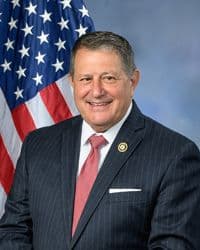
- Introduced
- 6/11/2026
- Last activity
- 6/11/2026 — Referred to the House Committee on the Judiciary.
- Sponsored by
- Joseph Morelle
- Cosponsors
- - 4 - 0
- Introduced
- In Committee
What this bill would do
The Supreme Court Justice Circuit Riding Act aims to amend title 28 of the United States Code. This bill seeks to restore the practice of allotting Supreme Court justices to various federal circuits. Under this system, justices would travel to serve as judges within the United States Courts of Appeals. The Chief Justice would oversee the allotment of justices during recesses or vacations. This includes requirements for justices to sit on panels for oral arguments. The act also addresses the reimbursement of necessary expenses for these justices and their staff.
Yes
Does this make what the government does easier for the public to see?+3
The bill aims to increase public trust and connection between the Supreme Court and the American people through circuit riding.
Would people in cities be better off under this?+2
The bill brings Supreme Court justices outside of Washington, DC to various circuits across the country.
Would people in rural areas be better off under this?+2
The bill brings Supreme Court justices outside of Washington, DC to various circuits across the country.
The opposite
No question was scored the opposite.
Who it would affect, and how
Potential Positive Impacts for People
-
Restoring Public Trust: The bill finds that public confidence in the Supreme Court is near historic lows, and restoring circuit riding could help restore that trust (Section 2).
-
Increased Accessibility and Connection: The practice is intended to bring Supreme Court justices closer to the American public and expose them to life outside of Washington, DC (Section 2).
-
Legal Exposure and Insight: Justices would gain exposure to a wider array of legal issues, various state laws, and the difficulties lower courts face when implementing Supreme Court rulings (Section 2).
-
Participation in Oral Arguments: Justices assigned to a circuit would sit on at least one panel and participate in one or more panels for at least 10 days of oral argument each year (Section 3(b)).
Potential Negative Impacts for People
-
Restrictions on Rehearing Participation: To prevent conflicts, a justice becomes ineligible to vote on or participate in an en banc rehearing of any matter after serving as a circuit justice (Section 3(b)(6)).
-
Limited Participation in Rehearings: A justice is only eligible to vote for a panel rehearing if they were a member of the original panel (Section 3(b)(7)).
Groups and Interests Ranking
Every group the model scored this bill for, from -10 to +10. Hover a score for the reason it gave.
- Demographic And Interest Groups
- Good For Rural Residents+2Good For Urban Residents+2
- Governance And Ideology
- Improves Government Transparency+3
- 6/24/2026
- 1 Cosponsor added.
- 6/11/2026
- Referred to the House Committee on the Judiciary.
- 3 Cosponsors added.
- Introduced in House
 Julie Johnson
Democrat · Texas
 Kevin Mullin
Democrat · California
 Delia Ramirez
Democrat · Illinois
 Nikema Williams
Democrat · Georgia