Bill · H.R. 9268· House(119-HR-9268)
Stop Crypto ATM Scams Act
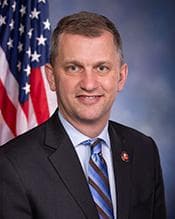
- Introduced
- 6/11/2026
- Last activity
- 6/11/2026 — Referred to the House Committee on Financial Services.
- Sponsored by
- Sean Casten
- Cosponsors
- - 0 - 2
- Introduced
- In Committee
What this bill would do
The "Stop Crypto ATM Scams Act" aims to amend the Bank Secrecy Act to regulate digital asset kiosk operators. It requires these operators to register with the Secretary of the Treasury and provide regular updates regarding their kiosk locations. The bill mandates that operators implement anti-money laundering programs and specific anti-fraud measures to protect consumers. Additionally, it establishes transaction limits for new and existing customers and requires detailed disclosures before transactions occur. Operators must also provide specific warnings about the risks of digital asset transactions and the potential for fraud.
Yes
Does this give people more protection from unfair business practices?+7
The bill requires prominent disclosures of fees, market prices, and transaction terms to prevent consumer deception.
Would households on low incomes be better off under this?+3
The bill protects vulnerable consumers from digital asset scams through mandatory warnings and refund requirements.
Is this likely to lift people out of poverty?+2
The bill provides a refund mechanism for victims of fraudulent digital asset transactions.
The opposite
Would business owners be better off under this?-5
Operators face significant new regulatory, registration, and anti-money laundering compliance costs.
Who it would affect, and how
Potential Positive Impacts for People
-
Enhanced Consumer Protection through Disclosures: Operators must provide written, prominent disclosures regarding transaction terms, market prices, and charges (Section 3(d)(1)). This ensures customers understand the costs and risks before committing to a transaction.
-
Fraud Prevention Warnings: The bill requires kiosks to display clear warnings about common scams, such as social media contact or impersonation of officials (Section 3(e)(1)(A)).
-
Transaction Limits to Mitigate Risk: Limits are placed on how much a new customer can transact daily ($2,000) and in total ($10,000), which can help limit potential losses (Section 3(c)).
-
Refund Mechanism for Fraud Victims: Operators are required to issue refunds within 30 days if a customer was fraudulently induced into a transaction and files a proper complaint (Section 3(i)).
-
Increased Transparency: The Secretary of the Treasury must make the list of digital asset kiosk locations and their physical addresses available to the public (Section 2(a)(2)).
-
Access to Support: Operators must provide live customer service during extended business hours (Section 3(h)).
Potential Negative Impacts for People
-
Transaction Restrictions: Customers face strict monetary limits on their transactions, which may restrict how they use the kiosks (Section 3(c)).
-
Regulatory Burden on Operators: Operators are required to develop and implement complex anti-money laundering programs, anti-fraud policies, and reporting requirements (Section 3(b) and 3(e)(2)).
-
Compliance and Registration Requirements: Operators must submit regular lists of kiosk locations and updates to the Treasury, with strict timelines for existing operators (Section 2(a) and 2(b)).
Groups and Interests Ranking
Every group the model scored this bill for, from -10 to +10. Hover a score for the reason it gave.
- Economy And Finance
- Improves Consumer Protection+7
- Demographic And Interest Groups
- Good For Low Income Households+3Good For Business Owners-5
- Social Issues And Justice
- Improves Poverty Reduction+2
- 9/1/2026
- 1 Cosponsor added.
- 6/11/2026
- Referred to the House Committee on Financial Services.
- 1 Cosponsor added.
- Introduced in House
 Brian Fitzpatrick
Republican · Pennsylvania
 Maria Salazar
Republican · Florida