Bill · H.R. 9257· House(119-HR-9257)
Primary and Behavioral Health Care Access Act of 2026
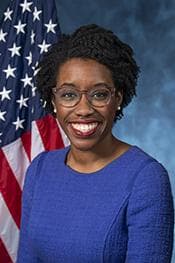
- Introduced
- 6/11/2026
- Last activity
- 6/11/2026 — Referred to the Committee on Energy and Commerce, and in addition to the Committees on Education and Workforce, and Ways and Means, for a period to be subsequently determined by the Speaker, in each case for consideration of such provisions as fall within the jurisdiction of the committee concerned.
- Sponsored by
- Lauren Underwood
- Cosponsors
- - 1 - 0
- Introduced
- In Committee
What this bill would do
The Primary and Behavioral Health Care Access Act of 2026 requires group health plans and health insurance issuers to provide specific services without cost-sharing. This includes three primary care visits and three behavioral health care visits per plan year. The bill amends the Employee Retirement Income Security Act of 1974, the Public Health Service Act, and the Internal Revenue Code of 1986. It ensures that these visits are not subject to more restrictive treatment limitations or different reimbursement rates than other similar visits. The requirements apply to plan years starting two years after the act is passed.
Yes· 3 of 35
Would households on low incomes be better off under this?+9
Eliminating cost-sharing for essential visits significantly helps low-income patients.
Does this make mental health care easier to get?+8
Eliminates cost-sharing for three behavioral health care visits per year.
Does this make health care easier to get in general?+8
Removes financial barriers to primary and behavioral health care visits.
The opposite
Would business owners be better off under this?-3
Employers providing group plans may face higher insurance premiums.
Does this leave more decisions to the states?-3
Overrides state-level cost-sharing regulations with a federal mandate.
Does this lower what people pay for private health insurance?-2
Removing cost-sharing may lead insurers to increase premiums to offset the cost.
Who it would affect, and how
Potential Positive Impacts for People
-
Free Primary Care Visits: People can access three primary care visits per plan year without having to pay cost-sharing requirements, as stated in Section 2(a).
-
Free Behavioral Health Care Visits: People can access three behavioral health care visits per plan year without having to pay cost-sharing requirements, as stated in Section 2(a).
-
Fair Treatment and Payment: The bill prevents insurance providers from placing more restrictive treatment limits on these free visits compared to other visits and ensures reimbursement rates remain the same, according to Section 2(b).
Potential Negative Impacts for People
- No negative impacts for individuals or groups are explicitly mentioned in the provided text.
Groups and Interests Ranking
Every group the model scored this bill for, from -10 to +10. Hover a score for the reason it gave.
- Demographic And Interest Groups
- Good For Low Income Households+9Good For African Americans+7Good For Hispanic Americans+7Good For L G B T Q Community+7Good For Middle Class Households+7Good For Native Americans+7Good For People With Disabilities+7Good For Students+7Good For Union Workers+7Good For Asian Americans+6Good For Children+6Good For Farmers+6Good For Immigrants+6Good For Men+6Good For Middle Aged+6Good For Retirees+6Good For Rural Residents+6Good For Seniors+6Good For Urban Residents+6Good For Veterans+6Good For White Americans+6Good For Women+6Good For Young Adults+6Good For Billionaires+4Good For High Income Households+4Good For High Net Worth Individuals+4Good For Ultra High Net Worth Individuals+4Good For Business Owners-3
- Healthcare
- Improves Healthcare Access+8Improves Mental Health Access+8Improves Opioid Crisis Response+3Increases Affordable Care Act Support+2Reduces Private Insurance Premiums-2
- Economy And Finance
- Improves Consumer Protection+5
- Social Issues And Justice
- Improves Poverty Reduction+3Improves Racial Equity+2
- Governance And Ideology
- Increases Federal Power+3Increase States Rights-3
- 6/11/2026
- Referred to the Committee on Energy and Commerce, and in addition to the Committees on Education and Workforce, and Ways and Means, for a period to be subsequently determined by the Speaker, in each case for consideration of such provisions as fall within the jurisdiction of the committee concerned.
- 1 Cosponsor added.
- Introduced in House
One bill Congress.gov lists as related to this one — companions in the other chamber, earlier versions, and bills this one absorbed or was folded into.
 Kim Schrier
Democrat · Washington