Bill · H.R. 9243· House(119-HR-9243)
Wildfire Smoke Emergency Declaration Act of 2026
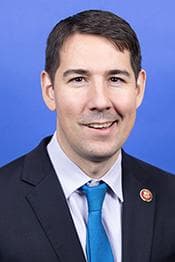
- Introduced
- 6/10/2026
- Last activity
- 6/10/2026 — Referred to the Committee on Transportation and Infrastructure, and in addition to the Committees on Small Business, and the Budget, for a period to be subsequently determined by the Speaker, in each case for consideration of such provisions as fall within the jurisdiction of the committee concerned.
- Sponsored by
- Josh Harder
- Cosponsors
- None
- Introduced
- In Committee
What this bill would do
The Wildfire Smoke Emergency Declaration Act of 2026 allows the President to declare a smoke emergency when wildland fire smoke causes a significant decrease in air quality. State Governors or appropriate agencies can request this declaration. Once declared, the President can provide assistance via FEMA and other agencies, including grants, equipment, and personnel. The bill also allows the Small Business Administration to provide grants to small businesses that lose significant revenue due to the smoke. Finally, it authorizes necessary funding and adjusts budget rules to account for this assistance.
Yes· 3 of 23
Does this improve help for people hit by a disaster?+9
Explicitly expands FEMA's authority to provide targeted assistance for smoke emergencies.
Would business owners be better off under this?+8
Small business owners can receive grants to recover lost revenue due to smoke emergencies.
Does this make it easier to run a small business?+8
Directly authorizes SBA grants for small businesses losing revenue due to wildfire smoke.
The opposite
Does this reduce what the federal government spends?-3
The bill authorizes new spending for emergency grants, equipment, and personnel.
Does this reduce what the federal government owes?-2
The bill authorizes necessary appropriations without specifying a funding source, which may increase national debt.
Does this make the government pay for what it commits to?-2
Amending budget rules to exempt smoke emergency assistance from certain deficit controls may reduce fiscal rigidity.
Who it would affect, and how
Potential Positive Impacts for People
-
Public Health and Safety Support: Section 2(c) allows for the provision of air purifiers, smoke shelters, and additional air monitoring sites, which helps people deal with poor air quality.
-
Community Resources: Section 2(c) enables the government to provide grants, equipment, supplies, and personnel to affected states and local communities.
-
Financial Help for Small Businesses: Section 2(d) allows the Small Business Administration to provide grants to small businesses that suffer a significant loss of revenue because of wildland fire smoke in a declared emergency area.
Potential Negative Impacts for People
- No negative impacts for individuals or groups are explicitly mentioned in the provided text.
Groups and Interests Ranking
Every group the model scored this bill for, from -10 to +10. Hover a score for the reason it gave.
- Demographic And Interest Groups
- Good For Business Owners+8Good For Low Income Households+6Good For Rural Residents+6Good For Seniors+6Good For Children+5Good For People With Disabilities+5Good For Retirees+5Good For Middle Class Households+4Good For Farmers+3Good For Middle Aged+3Good For Urban Residents+3Good For Young Adults+3Good For High Income Households+2
- Environment Energy And Infrastructure
- Improves Disaster Relief And F E M A+9Improves Environmental Protections+3Improves Rural Development+3
- Governance And Ideology
- Increases Federal Power+4Increase States Rights+2
- Healthcare
- Improves Healthcare Access+4
- Economy And Finance
- Improves Small Business Support+8Improves Economic Growth+2Reduces Government Spending-3Improves Fiscal Responsibility-2Reduces National Debt-2
- Education And Technology
- Increases Scientific Research Funding+2
- Social Issues And Justice
- Improves Poverty Reduction+2
- 6/10/2026
- Referred to the Committee on Transportation and Infrastructure, and in addition to the Committees on Small Business, and the Budget, for a period to be subsequently determined by the Speaker, in each case for consideration of such provisions as fall within the jurisdiction of the committee concerned.
- Introduced in House
One bill Congress.gov lists as related to this one — companions in the other chamber, earlier versions, and bills this one absorbed or was folded into.