Bill · H.R. 9219· House(119-HR-9219)
National Defense Infrastructure Protection Act of 2026
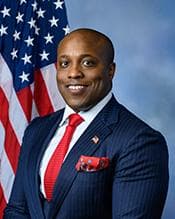
- Introduced
- 6/9/2026
- Last activity
- 6/9/2026 — Referred to the Committee on the Judiciary, and in addition to the Committee on Armed Services, for a period to be subsequently determined by the Speaker, in each case for consideration of such provisions as fall within the jurisdiction of the committee concerned.
- Sponsored by
- Wesley Hunt
- Cosponsors
- None
- Introduced
- In Committee
What this bill would do
This bill, called the National Defense Infrastructure Protection Act of 2026, directs the Secretary of Defense to identify and protect fuel supply infrastructure that is critical to military readiness, particularly in California. It gives the Secretary the power to certify this infrastructure, which shields it from certain legal actions and challenges. The bill also changes court rules to make it much harder for states, local governments, and private parties to stop or slow down the operation of certified fuel facilities. Additionally, it moves lawsuits challenging these facilities out of state courts and into federal courts, while setting strict timelines for judges to handle these cases. Finally, it allows operators of certified infrastructure to sue governments and collect attorney fees if they win.
Yes
Does this give the federal government more power?+6
The bill significantly expands federal jurisdiction by moving state-level lawsuits regarding certified infrastructure into federal courts.
Would business owners be better off under this?+6
Operators of certified infrastructure benefit from strong legal protections against lawsuits and the ability to collect attorney fees.
The opposite· 3 of 4
Does this leave more decisions to the states?-7
The bill strips state courts of jurisdiction and places heavy restrictions and financial burdens on local governmental challenges.
Does this protect the right to fair treatment by the courts?-5
The bill imposes strict evidentiary standards and limits the legal avenues available to private parties and local entities contesting infrastructure.
Does this better protect air, water and wildlife?-5
The bill restricts legal challenges and injunctions against critical fuel supply infrastructure, potentially hindering environmental oversight.
Who it would affect, and how
Potential Positive Impacts for People
- Protection of National Defense: By securing fuel supply chains critical to military installations, Section 3 helps ensure the armed forces have the fuel they need to maintain national security and military readiness.
Potential Negative Impacts for People
- Restriction of Legal Challenges: Section 4 makes it significantly harder for states, local governments, Tribal governments, and private parties to obtain preliminary injunctions or stop orders against certified infrastructure, as they must meet an extremely strict standard of clear and convincing evidence.
- Loss of State Court Authority: Section 6 strips state courts of jurisdiction over covered actions by requiring any state-level lawsuits against certified infrastructure to be removed to federal court, limiting local legal control.
- Financial Burdens on Local Entities: Section 7 requires governmental entities that bring challenges against certified infrastructure to pay the operator's reasonable attorney fees and costs if the operator substantially prevails in an enforcement action.
Groups and Interests Ranking
Every group the model scored this bill for, from -10 to +10. Hover a score for the reason it gave.
- Governance And Ideology
- Increases Federal Power+6Increase States Rights-7Improves Due Process-5
- Environment Energy And Infrastructure
- Improves Environmental Protections-5
- Demographic And Interest Groups
- Good For Business Owners+6Good For Native Americans-3
- 6/9/2026
- Referred to the Committee on the Judiciary, and in addition to the Committee on Armed Services, for a period to be subsequently determined by the Speaker, in each case for consideration of such provisions as fall within the jurisdiction of the committee concerned.
- Introduced in House