Bill · H.R. 9218· House(119-HR-9218)
Marcus’s Law
- Introduced
- 6/9/2026
- Last activity
- 6/9/2026 — Referred to the House Committee on Education and Workforce.
- Sponsored by
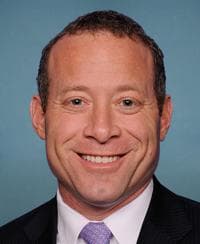
- Josh Gottheimer
- Cosponsors
- - 0 - 1
- Introduced
- In Committee
What this bill would do
This bill, called "Marcus's Law," requires local educational agencies that receive certain Federal funds to ensure students in grades 9 through 12 receive an electrocardiogram and an echocardiogram. This medical screening must happen before a student participates in an athletic contest for the first time. Starting in the 2026-2027 school year, agencies must partner with entities to provide these screenings for $20 or less per student. There are provisions for waivers if partnerships cannot be formed. Additionally, students may be exempt based on religious tenets or physician documentation.
Yes· 3 of 9
Would households on low incomes be better off under this?+7
Ensures affordable medical screenings capped at $20 for students.
Would students be better off under this?+7
Provides high school athletes with affordable and mandatory health screenings for safety.
Would children be better off under this?+6
Provides potentially life-saving cardiac screenings for high school students.
The opposite
Does this leave more decisions to the states?-3
Imposes a federal requirement on local agency operations regarding student health screenings.
Does this protect people from being watched or searched?-2
Requires mandatory medical screening as a condition for participation in school athletics.
Who it would affect, and how
Potential Positive Impacts for People
-
Affordable Screenings: Section 2(a)(3)(A) requires agencies to partner with entities to offer the required medical screenings at a cost of $20 or less per student.
-
Health Screenings for Athletes: Section 2(a)(1) requires students in grades 9 through 12 to receive an electrocardiogram and echocardiogram before their first athletic contest.
-
Flexibility and Exemptions: Section 2(b) allows students to avoid the screening if it conflicts with religious tenets and practices or if a physician provides documentation explaining why the student should not participate.
Potential Negative Impacts for People
-
Mandatory Requirements for Participation: Section 2(a)(1) requires students to undergo medical screening as a condition of participating in an athletic contest for the first time.
-
Administrative Burden on Agencies: Section 2(a)(3)(A) mandates that local educational agencies must enter into partnerships to provide these screenings by the first day of the first sports season following enactment.
Groups and Interests Ranking
Every group the model scored this bill for, from -10 to +10. Hover a score for the reason it gave.
- Demographic And Interest Groups
- Good For Low Income Households+7Good For Students+7Good For Children+6Good For Young Adults+6Good For Middle Class Households+5Good For High Income Households+2
- Healthcare
- Improves Healthcare Access+5
- Governance And Ideology
- Increases Federal Power+3Increase States Rights-3Improves Privacy Rights-2
- Social Issues And Justice
- Improves Religious Freedom+2
- 6/9/2026
- Referred to the House Committee on Education and Workforce.
- 1 Cosponsor added.
- Introduced in House
 Don Bacon
Republican · Nebraska