Bill · H.R. 9196· House(119-HR-9196)
Helen Keller Education Act
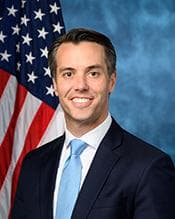
- Introduced
- 6/8/2026
- Last activity
- 6/8/2026 — Referred to the House Committee on Education and Workforce.
- Sponsored by
- Morgan McGarvey
- Cosponsors
- - 3 - 1
- Introduced
- In Committee
What this bill would do
The bill is known as the Helen Keller Education Act and focuses on improving special education and related services for children and youth who are deafblind. It amends the Individuals with Disabilities Education Act to ensure that children who are deafblind receive proper identification, evaluation, and specialized support regardless of how they are classified by their State. The legislation requires States to file specific addendums outlining how they will meet the unique language, communication, and learning needs of these students. It also mandates the development of intervener services and supports training programs for qualified teachers and specialists. Finally, the bill includes provisions for early intervention plans tailored to infants and toddlers who are deafblind and their families.
Yes· 3 of 6
Would people with disabilities be better off under this?+10
The legislation provides comprehensive improvements to special education and related services specifically for individuals with deafblindness.
Would children be better off under this?+9
The bill directly enhances educational access, identification, and specialized support for children and infants who are deafblind.
Would students be better off under this?+8
Students who are deafblind receive tailored evaluations, communication access, and specialized support services.
The opposite
No question was scored the opposite.
Who it would affect, and how
Potential Positive Impacts for People
-
Section 101: This section ensures that children with concomitant vision and hearing losses are identified, located, and evaluated even if they are classified in a disability category other than deafblindness. This is positive because it prevents children from falling through the cracks and guarantees they receive appropriate special education and related services.
-
Section 102: This provision formally recognizes intervener services as a related service provided by a qualified intervener. This is a positive step for individuals who are deafblind because it ensures they receive individualized, qualified support in school environments.
-
Section 104: This section requires evaluations for children who are deafblind to assess language and communication proficiency levels using their preferred mode of communication. This is beneficial because it ensures that assessments are actually tailored to the child's specific way of communicating, such as tactile sign language.
-
Section 201: This provision improves early intervention plans for infants and toddlers who are deafblind by including ongoing language assessments and direct communication access with trained peers and professionals. This is positive because it helps families support their young children's language development early on.
Potential Negative Impacts for People
- Section 103: This section places a new administrative requirement on States by forcing them to file a written addendum to their State plans within two years to remain in compliance. While intended to help students, this heavy paperwork burden could create friction or bureaucratic delays for State officials tasked with implementation.
Groups and Interests Ranking
Every group the model scored this bill for, from -10 to +10. Hover a score for the reason it gave.
- Demographic And Interest Groups
- Good For People With Disabilities+10Good For Children+9Good For Students+8
- Social Issues And Justice
- Improves Disability Rights+8
- Governance And Ideology
- Increases Federal Power+3
- Economy And Finance
- Increases Job Creation+2
- 10/1/2026
- 1 Cosponsor added.
- 6/18/2026
- 1 Cosponsor added.
- 6/8/2026
- Referred to the House Committee on Education and Workforce.
- 2 Cosponsors added.
- Introduced in House
2 bills Congress.gov lists as related to this one — companions in the other chamber, earlier versions, and bills this one absorbed or was folded into.
 Andrew Garbarino
Republican · New York
 Adelita Grijalva
Democrat · Arizona
 April McClain Delaney
Democrat · Maryland
 Josh Riley
Democrat · New York